Why Bandung Is Called Paris van Java: History, Sights and a 3-Day Plan
 Muhammad Fikri Gunawan · · 7 min read
Bandung grew from a highland regency seat in 1810 into Paris van Java and the host of the 1955 Asian-African Conference. Here is its story, the best places to see, and how to plan your trip.
Bandung began as a highland regency seat that moved to the new Great Post Road in 1810 (the city celebrates 25 September 1810 as its anniversary), became a Dutch municipality in 1906, earned the nickname Paris van Java in the 1920s, and hosted the Asian-African Conference in April 1955.
Today it is the capital of West Java and a cool highland city of Art Deco buildings, cafés and creative shops, with volcanoes and crater lakes within about two hours. This guide gives you the short history first, then the places, transport and timing you need to plan a trip.
Key takeaways
- Anniversary: Bandung marks its founding on 25 September 1810.
- Famous for: Art Deco architecture, the 1955 Asian-African Conference and a cool highland climate, about 700 meters above sea level.
- Best stops: Gedung Sate, Gedung Merdeka, Jalan Braga, Tangkuban Parahu, Kawah Putih and Saung Angklung Udjo.
- Easiest way in from Jakarta: the Whoosh high-speed train, a conventional train or the Cipularang toll road.
- Plan 2 to 3 days. Weekdays are far quieter than weekends and holidays.
A short history of Bandung
Before 1810: a regency in the Priangan highlands
Long before the city, the Bandung area was a regency in the Priangan highlands of West Java, with its seat at Dayeuhkolot. The basin, ringed by volcanoes, was once filled by an ancient lake, which explains its flat and fertile plain. Local legend tells the same story in its own way.
1810: the Great Post Road
In 1810 Governor-General Herman Willem Daendels, who was building the Great Post Road (Jalan Raya Pos) across Java, ordered the regency seat moved to the new road. Regent R.A. Wiranatakusumah II relocated it from Dayeuhkolot to the banks of the Cikapundung River beside the road, and the Alun-Alun (main square) still stands there. Historians later settled on 25 September 1810 as the city's anniversary, and it is celebrated every year.
1906 to 1942: Paris van Java
Bandung became a municipality (gemeente) on 1 April 1906, and the railway from Batavia had reached it in the 1880s. Dutch officials and planters loved the cool climate. The Technische Hoogeschool, today's Bandung Institute of Technology (ITB), opened in 1920, and architects filled Jalan Braga and Jalan Asia Afrika with Art Deco and Indies-style buildings, including Gedung Sate. Fashionable shops and cafés gave the city its nickname, Paris van Java.
1946 to 1955: the Sea of Fire and the Asian-African Conference
During the independence struggle, on 23 and 24 March 1946, after an ultimatum to leave the south of the city, Republican forces and residents evacuated and burned much of southern Bandung rather than leave it to British and Dutch forces, an event remembered as Bandung Lautan Api (the Bandung Sea of Fire). Less than ten years later, from 18 to 24 April 1955, delegates from 29 Asian and African countries met at Gedung Merdeka for the Asian-African Conference, a milestone for the non-aligned movement. The Museum of the Asian-African Conference opened next to it in 1980.
Is Bandung the capital of West Java?
Yes. Bandung is the capital of West Java province and one of Indonesia's largest cities, known today for its universities, creative industries and weekend visitors from Jakarta.
Why travel to Bandung
- Cool weather: at about 700 meters above sea level, Bandung feels fresher than Jakarta.
- Architecture: one of the best-preserved collections of Art Deco and colonial-era buildings in Indonesia.
- Food: batagor, siomay, cireng, mie kocok, seblak and surabi, plus a busy coffee scene.
- Nature close by: Tangkuban Parahu, Kawah Putih, tea plantations and waterfalls within one to two hours.
- Culture: Sundanese traditions such as angklung music, recognized by UNESCO in 2010.
- Shopping: factory outlets and fashion streets around Jalan Riau and Cihampelas.
Best places to visit in Bandung
Gedung Sate
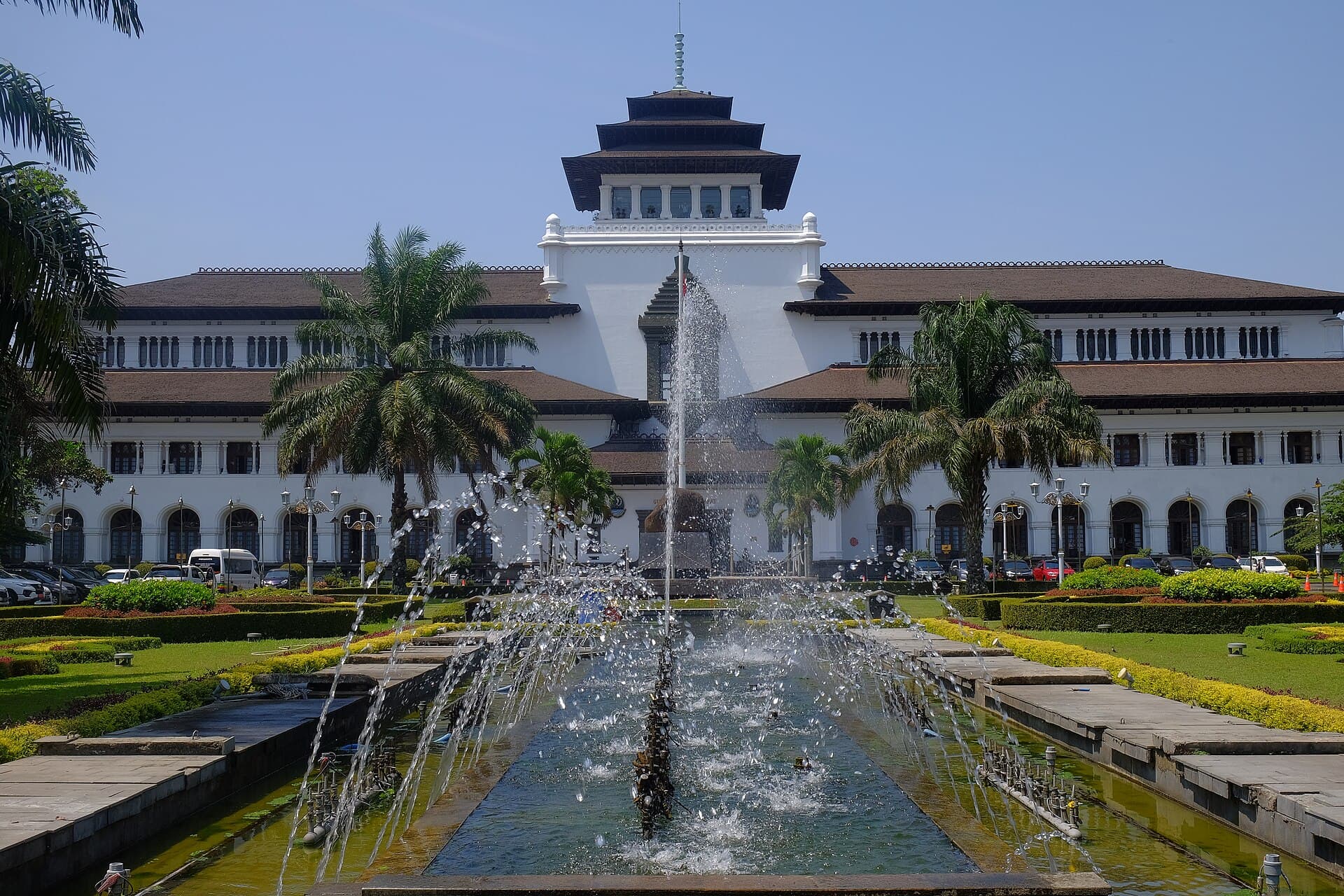
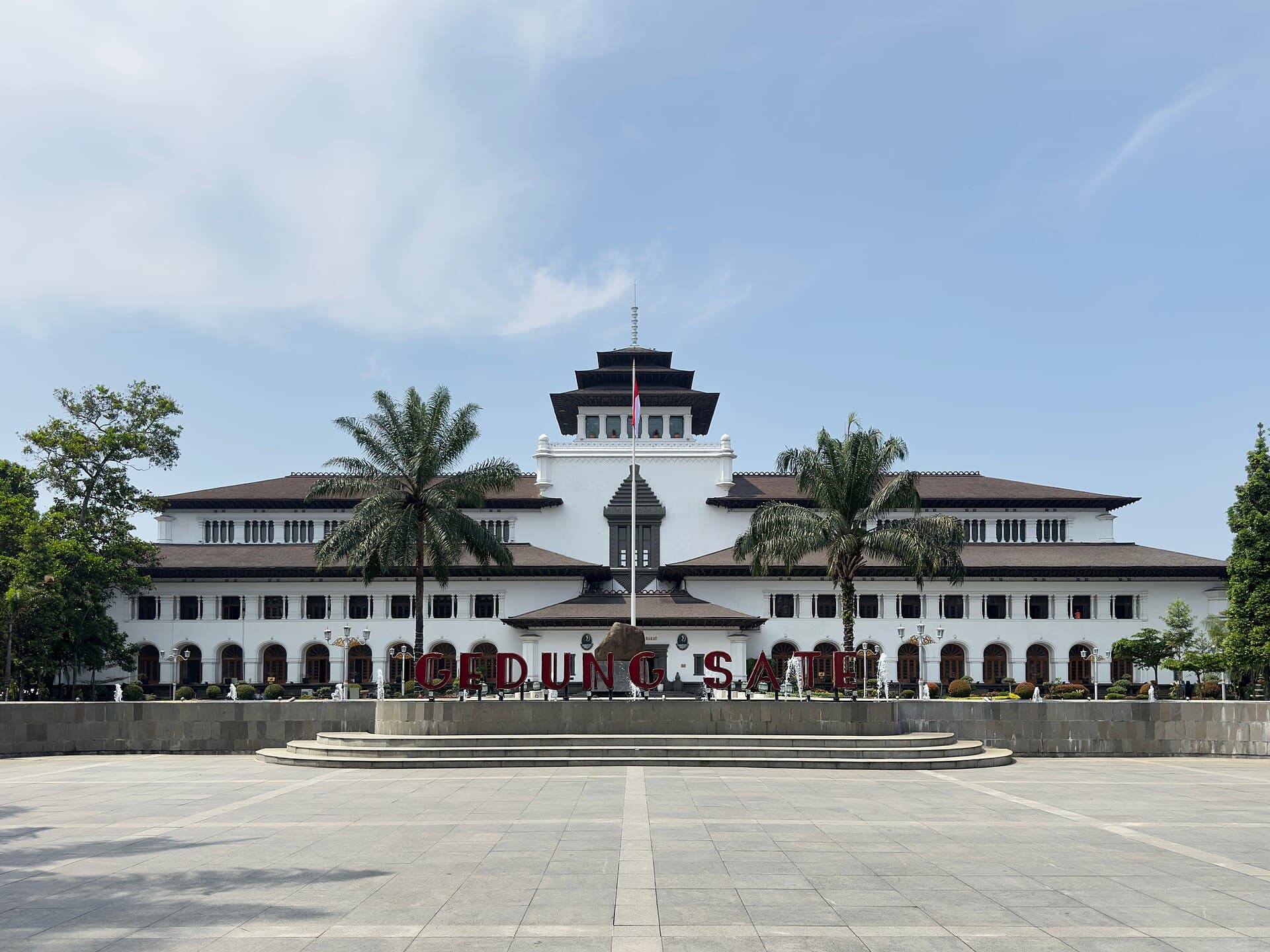
Built between 1920 and 1924 and designed by a team led by architect J. Gerber, Gedung Sate is Bandung's best-known landmark. The skewer-like ornament on its central tower gave it the name (sate means satay). The building houses the governor's office, and part of it is a museum, so check opening days before you go.
Gedung Merdeka and the Asian-African Conference Museum
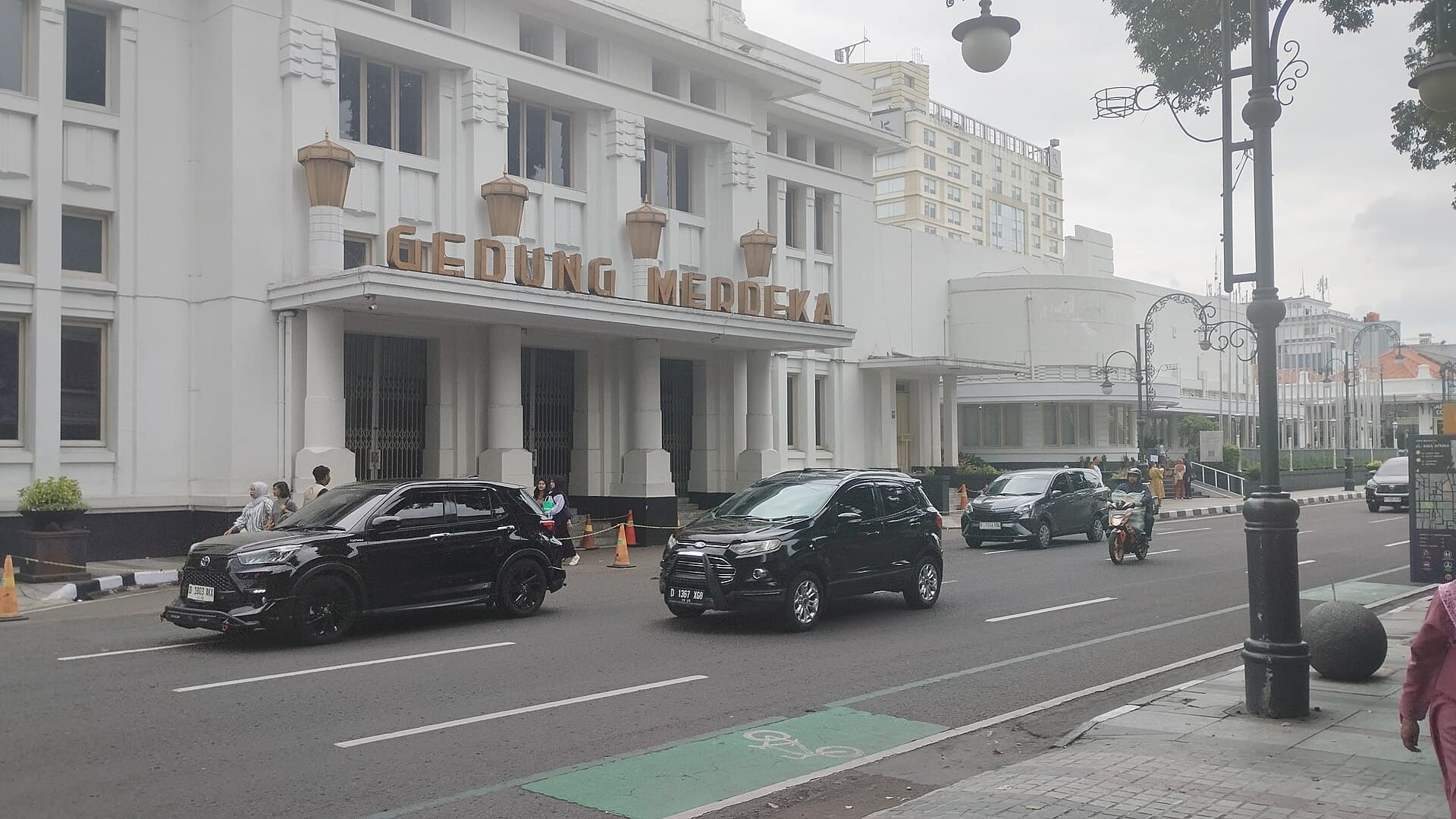
Gedung Merdeka (Freedom Building) hosted the 1955 Asian-African Conference. The Art Deco building was originally the Concordia social club for Dutch residents. The Museum of the Asian-African Conference nearby tells the story with photos and artifacts.
Jalan Braga
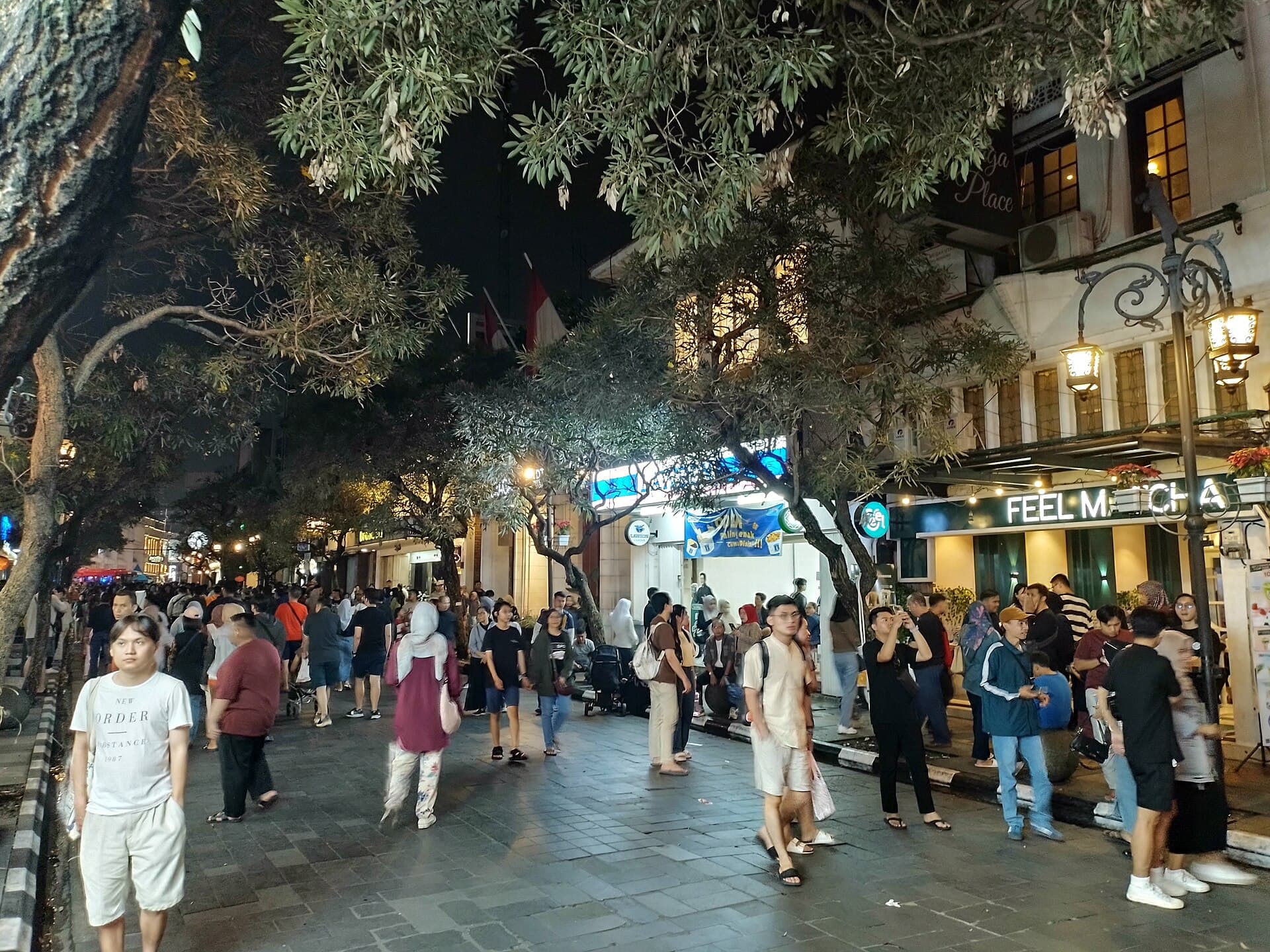
Jalan Braga is the old Dutch shopping street, lined with Art Deco facades, cafés, galleries and bakeries. Walk it in the late afternoon and stay for dinner when the street lamps come on. The Art Deco Savoy Homann Hotel stands nearby on Jalan Asia Afrika.
Tangkuban Parahu
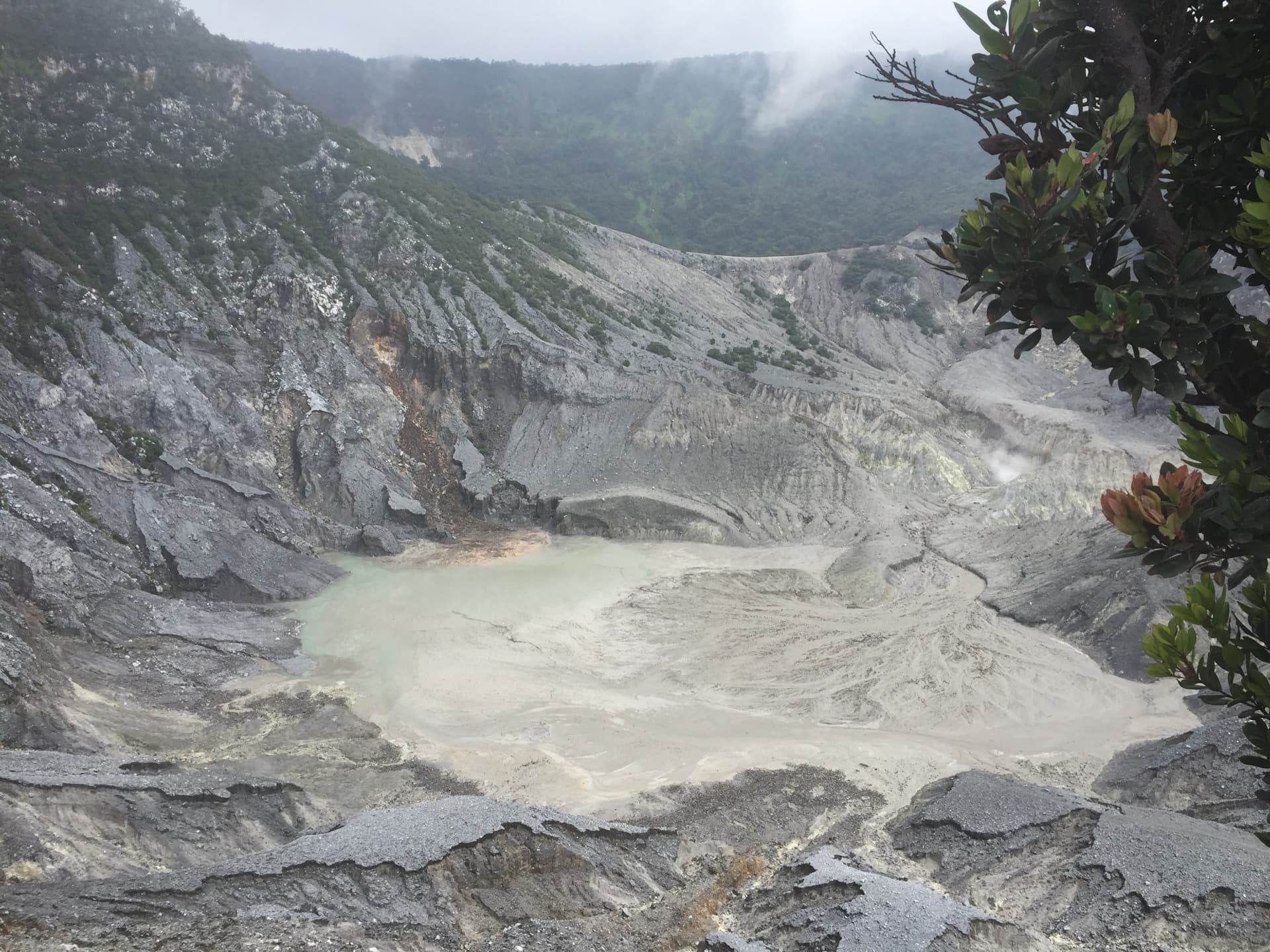
This volcano north of Bandung rises to about 2,084 meters, and a path leads to the rim of Kawah Ratu, its main crater. Legend says it is the overturned boat of Sangkuriang, which is what the name means. Volcanic activity can close the crater to visitors, so check the latest status with the official volcano agency before you go.
Kawah Putih
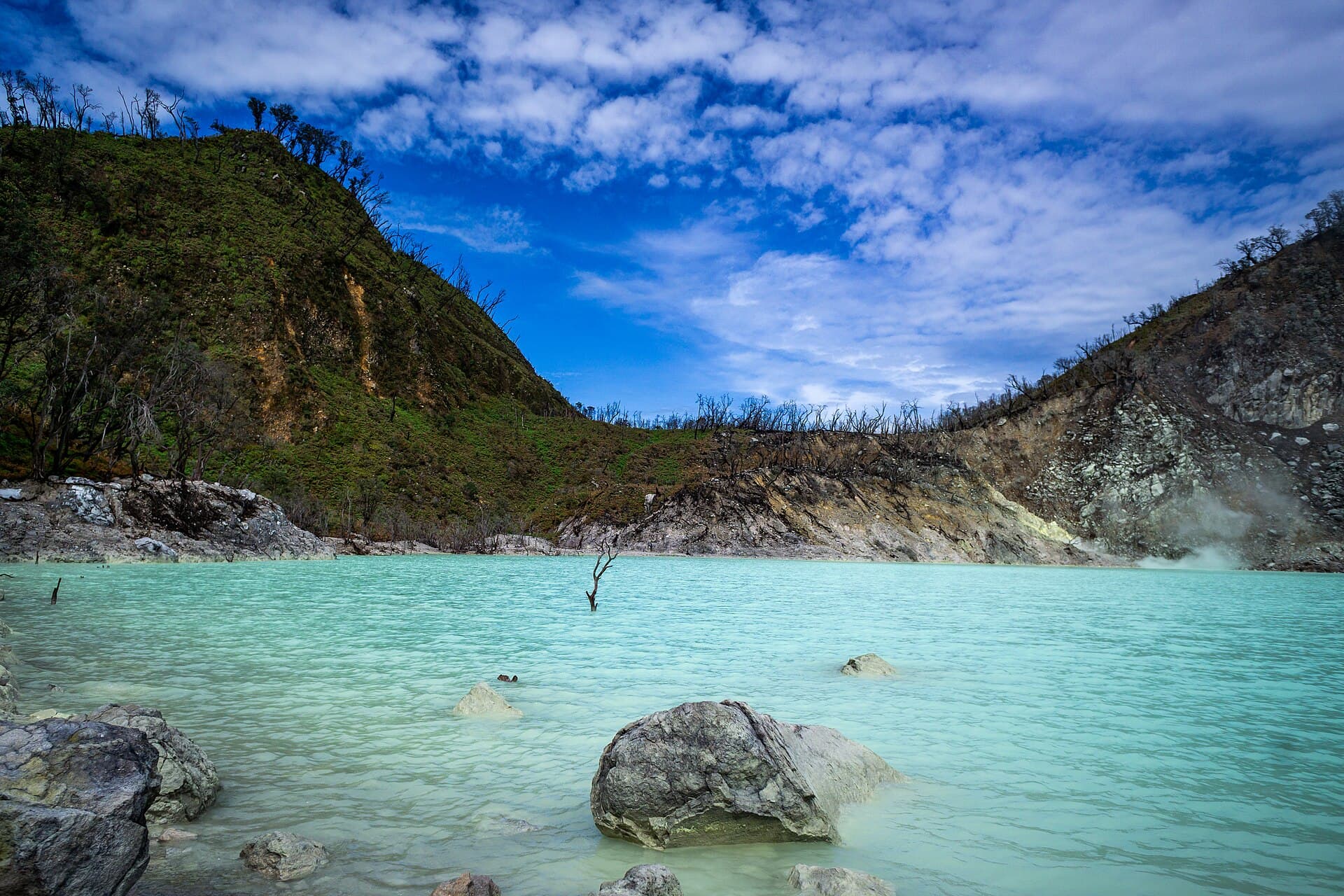
Kawah Putih (White Crater) is a crater lake on Mount Patuha in Ciwidey, roughly 45 kilometers south of central Bandung. The water shifts between turquoise and milky green depending on the weather and minerals. The air is cool and smells of sulfur, so follow staff advice on how long to stay.
Saung Angklung Udjo
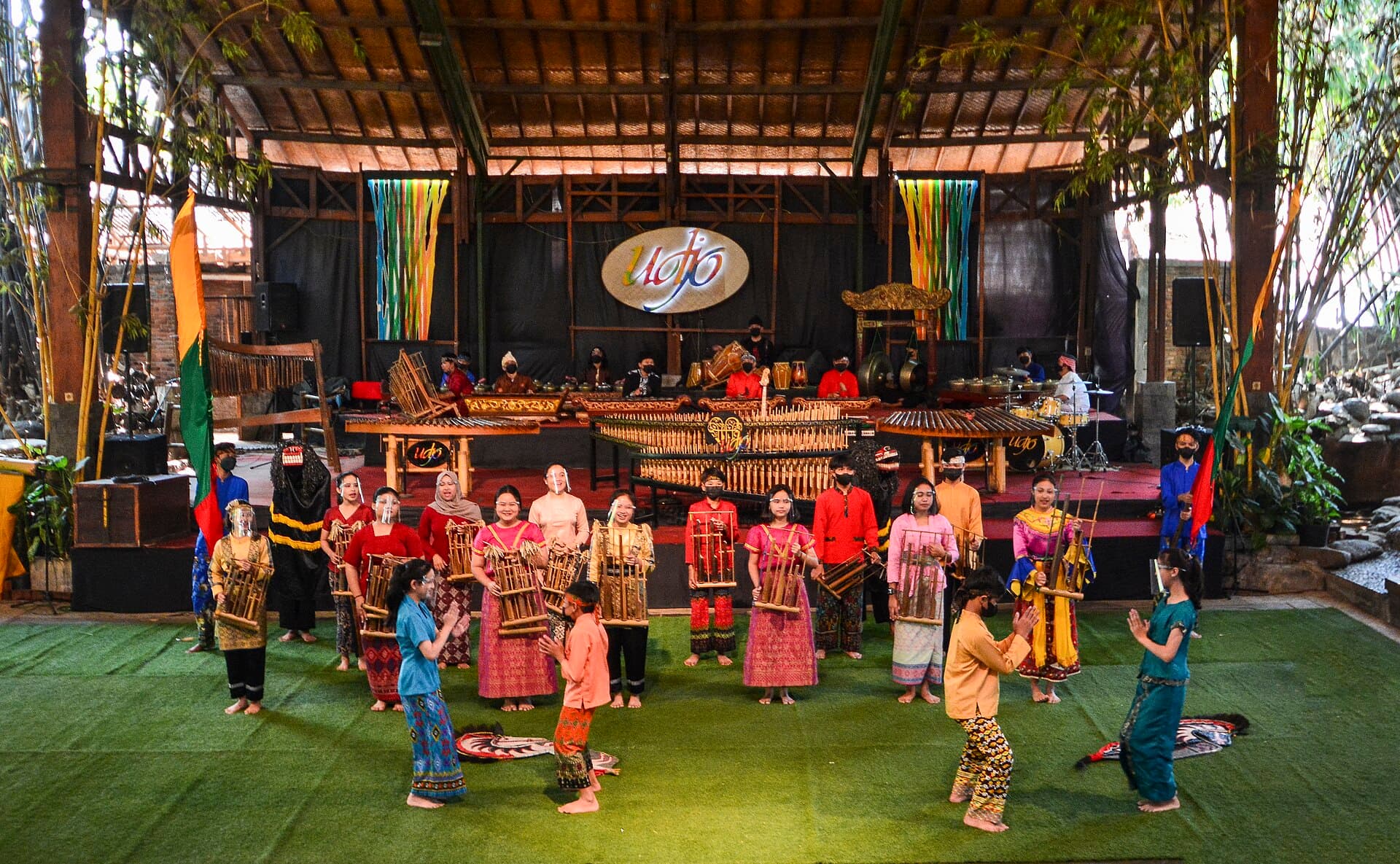
Founded in 1966, Saung Angklung Udjo stages regular performances of angklung, the Sundanese bamboo instrument that UNESCO recognized in 2010. Visitors play along at the end of the show. Book ahead for busy days.
How to get to and around Bandung
- Whoosh high-speed train: opened in October 2023 and takes roughly 40 to 45 minutes between Halim in Jakarta and Tegalluar near Bandung. It also stops at Padalarang, and feeder trains and shuttles connect to the city center.
- Conventional trains: services such as Argo Parahyangan run between Jakarta (Gambir) and Bandung Station in about three hours.
- By road: the Cipularang toll road takes about two to three hours from Jakarta, and longer on weekends and holidays.
- Around the city: Trans Metro Bandung buses, angkot minibuses and ride-hailing apps such as Gojek and Grab. Braga and Jalan Asia Afrika are easy to walk.
- Day trips: hire a driver or use ride-hailing for Tangkuban Parahu, Lembang and Ciwidey, where public transport is limited.
Best time to visit Bandung
Bandung is mild all year, often between 18 and 28 degrees Celsius. The dry season, roughly May to September, is the easiest for sightseeing and volcano views. The rainy season, roughly November to March, brings afternoon rain, so carry an umbrella. Weekends and long holidays bring heavy traffic from Jakarta, so visit on weekdays if you can. Mist and rain change fast in the highlands, so check the weather before you head up.
A 3-day Bandung itinerary
- Day 1 morning: Gedung Sate, then the Asian-African Conference Museum and Gedung Merdeka.
- Day 1 afternoon: a coffee break and a walk along Jalan Braga.
- Day 1 evening: dinner on Braga or in Dago. Try batagor, siomay and surabi.
- Day 2 morning: Tangkuban Parahu, then breakfast in Lembang.
- Day 2 afternoon: a performance at Saung Angklung Udjo.
- Day 3: Kawah Putih and the tea plantations of Ciwidey, then head back in the afternoon.
Coming from the capital? Read the history of Jakarta first, and plan your next trip with the history of Yogyakarta.
Practical tips
- Start early to beat traffic, especially on the roads to Lembang and Ciwidey.
- Bring a light jacket for the highlands.
- Visit on weekdays when possible.
- Check volcano status and opening hours on official pages before going to Tangkuban Parahu and Kawah Putih.
- Use ride-hailing apps or agree on fares before you start.
Frequently asked questions
When was Bandung founded?
Bandung celebrates its anniversary on 25 September, counted from 1810, the year the regency seat moved to the Great Post Road under Governor-General Daendels. It became a municipality in 1906.
Why is Bandung called Paris van Java?
In the early 1900s the Dutch built fashionable shops, cafés and Art Deco buildings in Bandung, especially around Jalan Braga, and its cool climate and style earned it the nickname Paris van Java (Paris of Java).
How many days do you need in Bandung?
Two to three days are enough for the city center, a volcano and a crater lake: Gedung Sate, Gedung Merdeka, Jalan Braga, Tangkuban Parahu and Kawah Putih.
What is the fastest way from Jakarta to Bandung?
The Whoosh high-speed train takes roughly 40 to 45 minutes between Halim and Tegalluar. Add time for the transfer into the city.