The History of Jakarta and Why It's Worth a Visit
 Muhammad Fikri Gunawan · · 7 min read
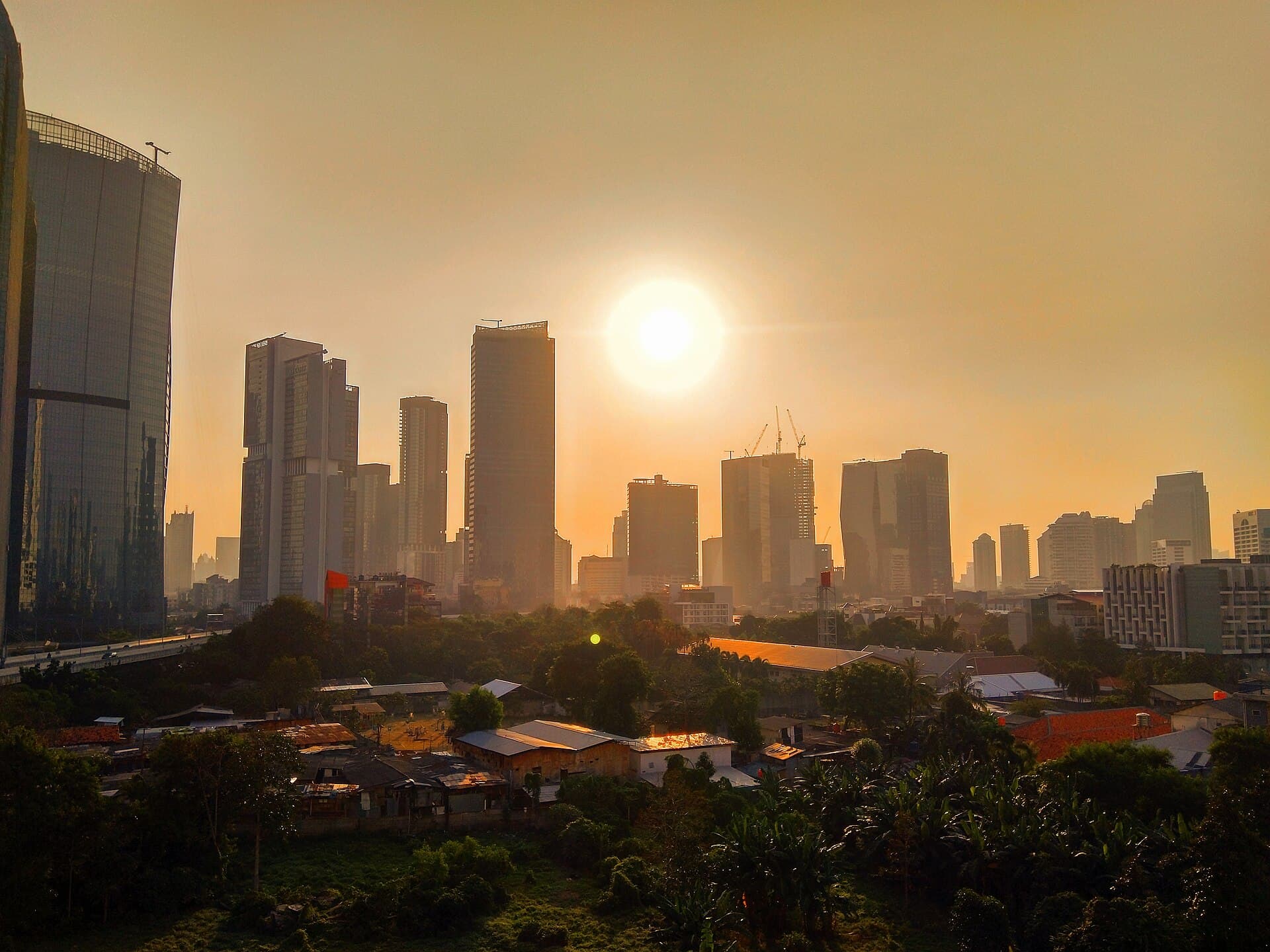
Jakarta was founded as Jayakarta on 22 June 1527, became Dutch Batavia in 1619, and took the name Jakarta in 1942. Here is its story, the best historic places to see, and how to plan your trip.
Jakarta started as a pepper port called Sunda Kelapa, took shape as Jayakarta on 22 June 1527, grew into the Dutch trading city of Batavia from 1619, and became Jakarta during the Japanese occupation in 1942. It kept that name as the capital of independent Indonesia.
Today it is a megacity of glass towers and heavy traffic, but the old harbor, colonial squares, museums and monuments are still here, and you can see most of them in two or three days. This guide gives you the short history first, then the places, transport and timing you need to plan a trip.
Key takeaways
- Founding date: Jakarta celebrates its anniversary every 22 June, marking 1527.
- Four names: Sunda Kelapa, Jayakarta, Batavia, then Jakarta.
- Best history stops: Kota Tua (the Old Town), Sunda Kelapa Harbor, Monas, Istiqlal Mosque and the National Museum.
- Easiest way around: the MRT, TransJakarta buses and the KRL commuter line.
- Plan 2 to 3 days. The dry season is usually the most comfortable time to walk around.
A short history of Jakarta
Sunda Kelapa: the pepper port (before 1527)
Long before the city had its current name, a harbor at the mouth of the Ciliwung River served the Hindu Kingdom of Sunda and shipped out spices, especially black pepper. Portuguese contact began in 1513, when Tomé Pires visited the port.
Jayakarta: 22 June 1527
In 1527 Fatahillah, a commander acting for the Sultanate of Demak, drove the Portuguese out of Sunda Kelapa on 22 June and renamed the port Jayakarta. That date is now celebrated as the city's anniversary. Jayakarta later came under the Sultanate of Banten.
Batavia: the Dutch city (1619 to 1942)
In 1619 Jan Pieterszoon Coen of the Dutch East India Company (VOC) took the port from Banten after destroying the existing town. The new city was officially named Batavia on 18 January 1621 and became the center of the Dutch East Indies. Sultan Agung of Mataram besieged it in 1628 and 1629 without taking it. The old warehouses and squares of Kota Tua date from this era.
Jakarta: occupation, independence and a modern capital
Japanese forces took Batavia in March 1942 and replaced the name with Jakarta. The Dutch used the name Batavia again for a short time after the war, but after independence was proclaimed on 17 August 1945 and recognized in 1949, Jakarta became the name of Indonesia's capital for good.
The modern landmarks followed: construction of Monas began on 17 August 1961 and it opened to the public on 12 July 1975, Istiqlal Mosque opened on 22 February 1978, and the first Jakarta MRT line opened on 24 March 2019.
Is Jakarta still Indonesia's capital?
Yes, for now. Indonesia has laws to move the capital to Nusantara in East Kalimantan, but Constitutional Court rulings in 2026 said Jakarta keeps its capital status until a presidential decree formally transfers it. This does not change anything for visitors: Jakarta remains the country's main gateway and its biggest city.
Why travel to Jakarta
- Living history: you can follow the story from harbor to colonial town to capital in one city.
- Food: Betawi classics such as kerak telor and soto Betawi, plus dishes from every corner of Indonesia.
- Museums and culture: dozens of museums, from the Jakarta History Museum to the National Museum.
- Easy base: Jakarta is Indonesia's main international gateway, with easy connections to Bandung, Yogyakarta, Bali and the Thousand Islands (Kepulauan Seribu).
- Side by side: Istiqlal Mosque and Jakarta Cathedral face each other across the street, a good picture of the city's diversity.
Best places to see Jakarta's history
Kota Tua and Fatahillah Square
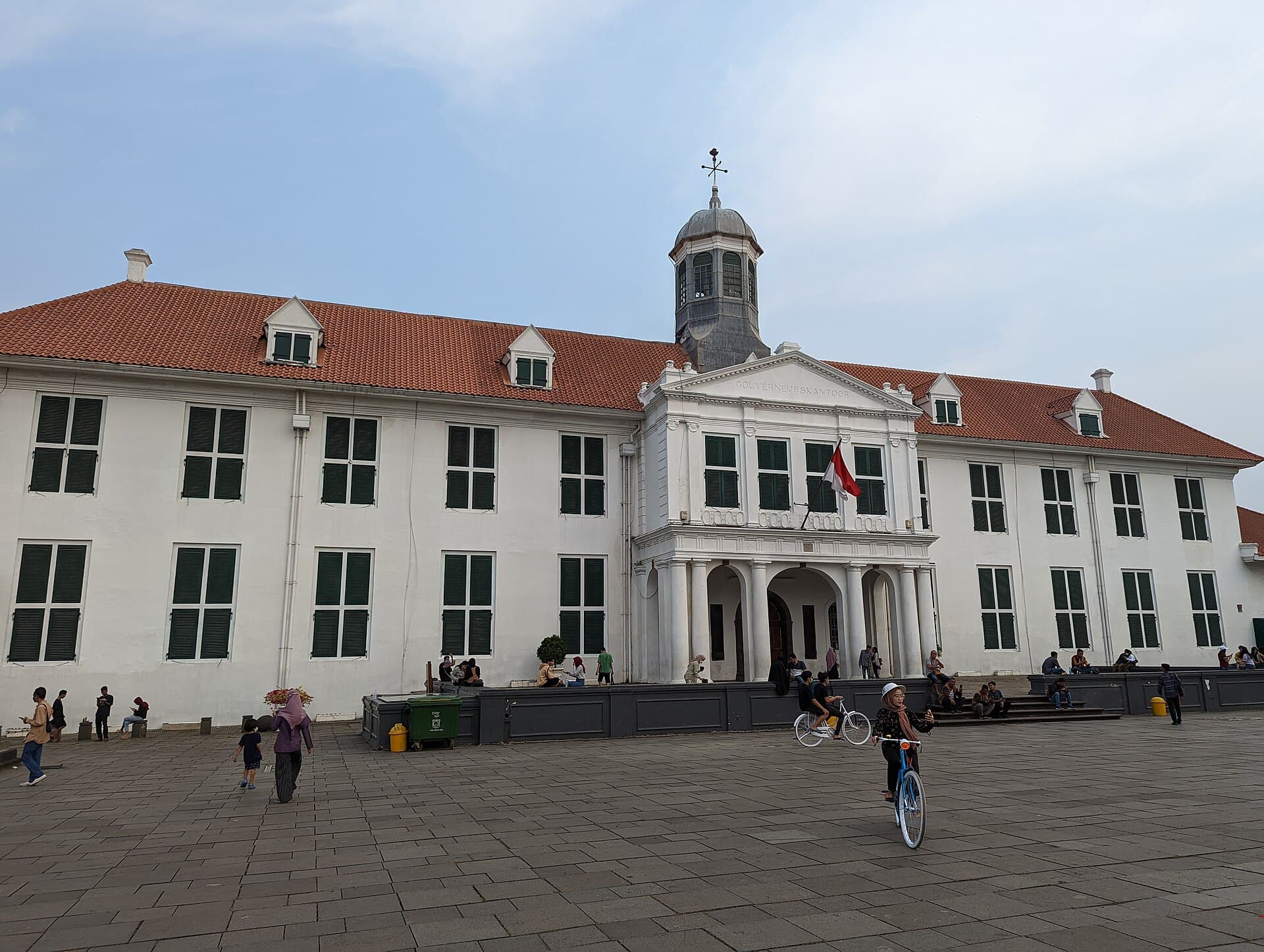
Kota Tua is the old Batavia. Fatahillah Museum (the Jakarta History Museum) sits in the former Dutch town hall and was designated a museum on 30 March 1974. The square in front is lined with cafés and colorful rental bicycles. Take the KRL commuter line to Jakarta Kota Station and walk.
Sunda Kelapa Harbor
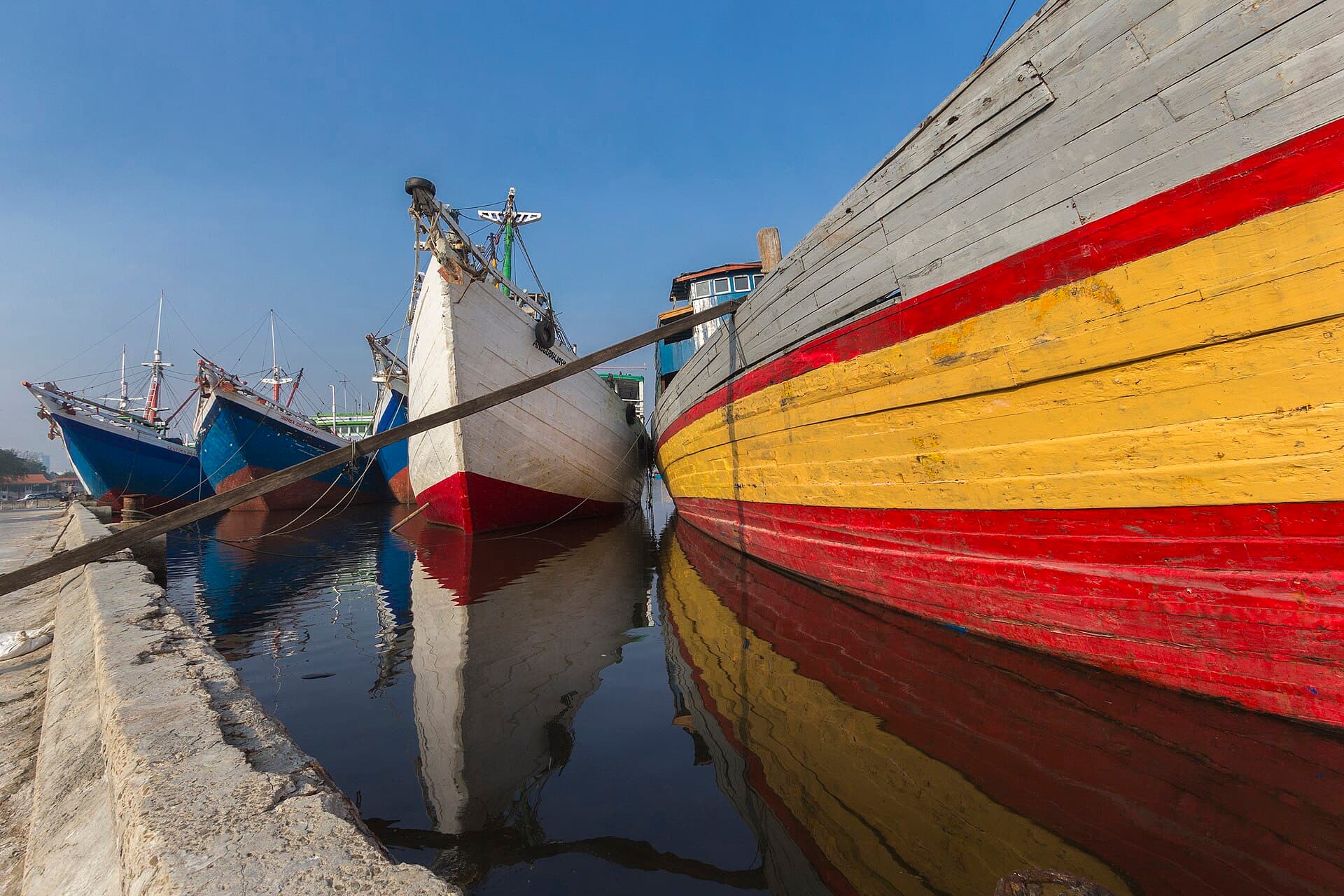
This is where it all began. Traditional wooden pinisi schooners still dock here, and the nearby Maritime Museum (Museum Bahari) occupies old VOC warehouses. Go in the morning or late afternoon, when the light is softer and the heat is lower.
Monas (National Monument)
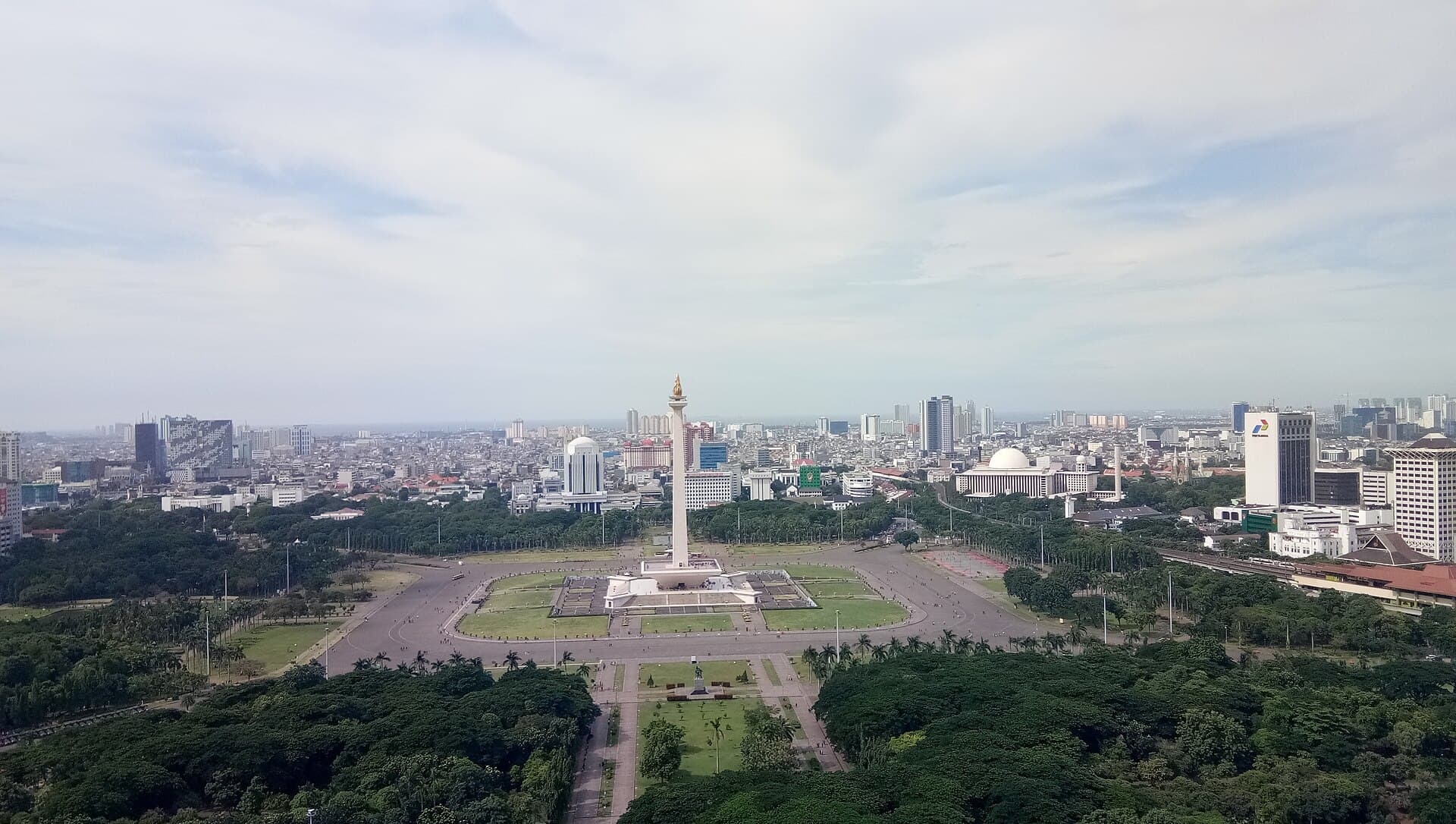
The gold-topped flame of Monas stands in Medan Merdeka park. A museum sits at its base, and you can pay a small extra fee to ride up to the observation deck for views over the city.
Istiqlal Mosque and Jakarta Cathedral
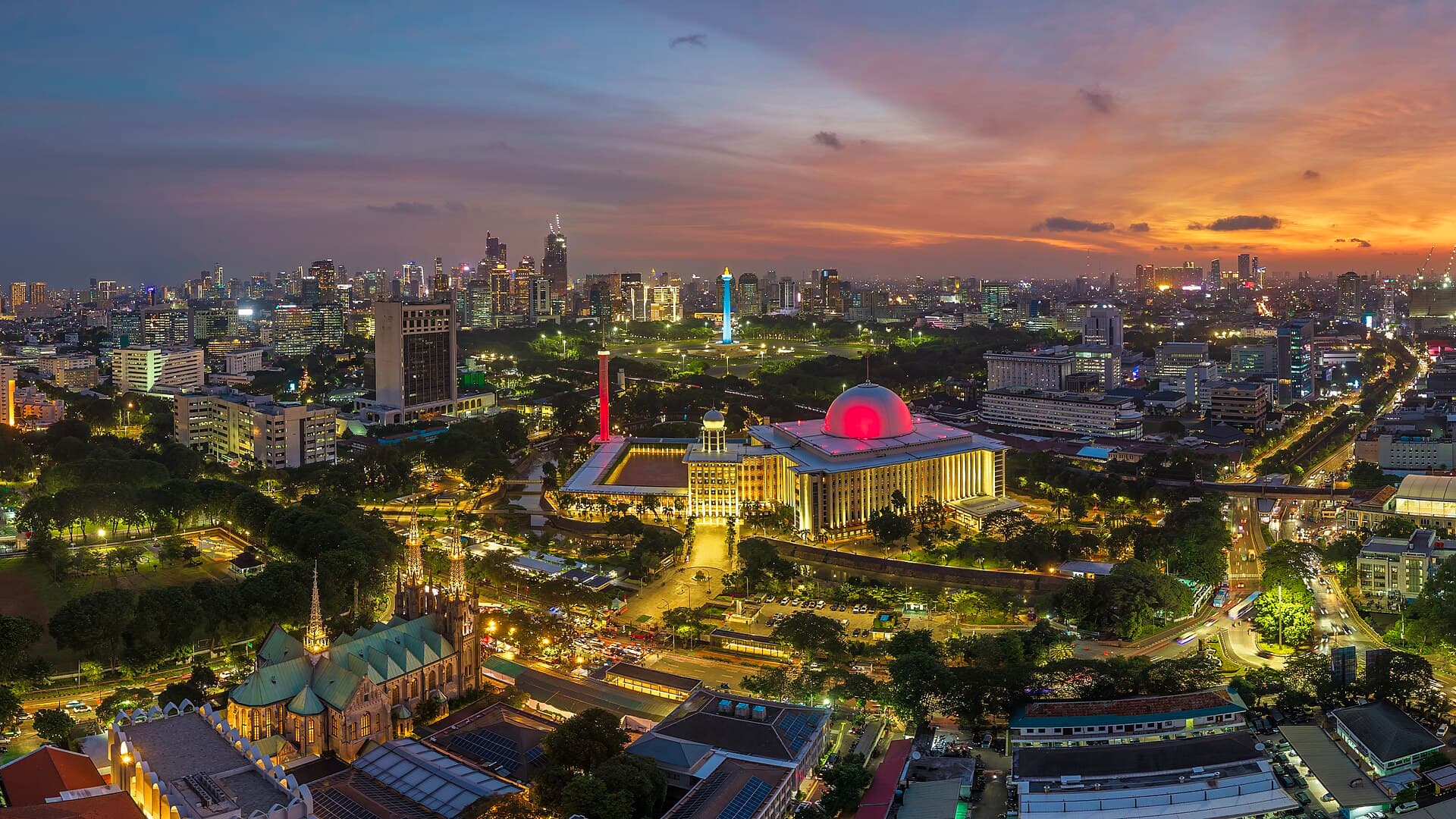
Istiqlal is one of the largest mosques in Southeast Asia, and the neo-Gothic Jakarta Cathedral stands right across from it. Dress modestly and follow the rules posted at the entrances.
National Museum of Indonesia
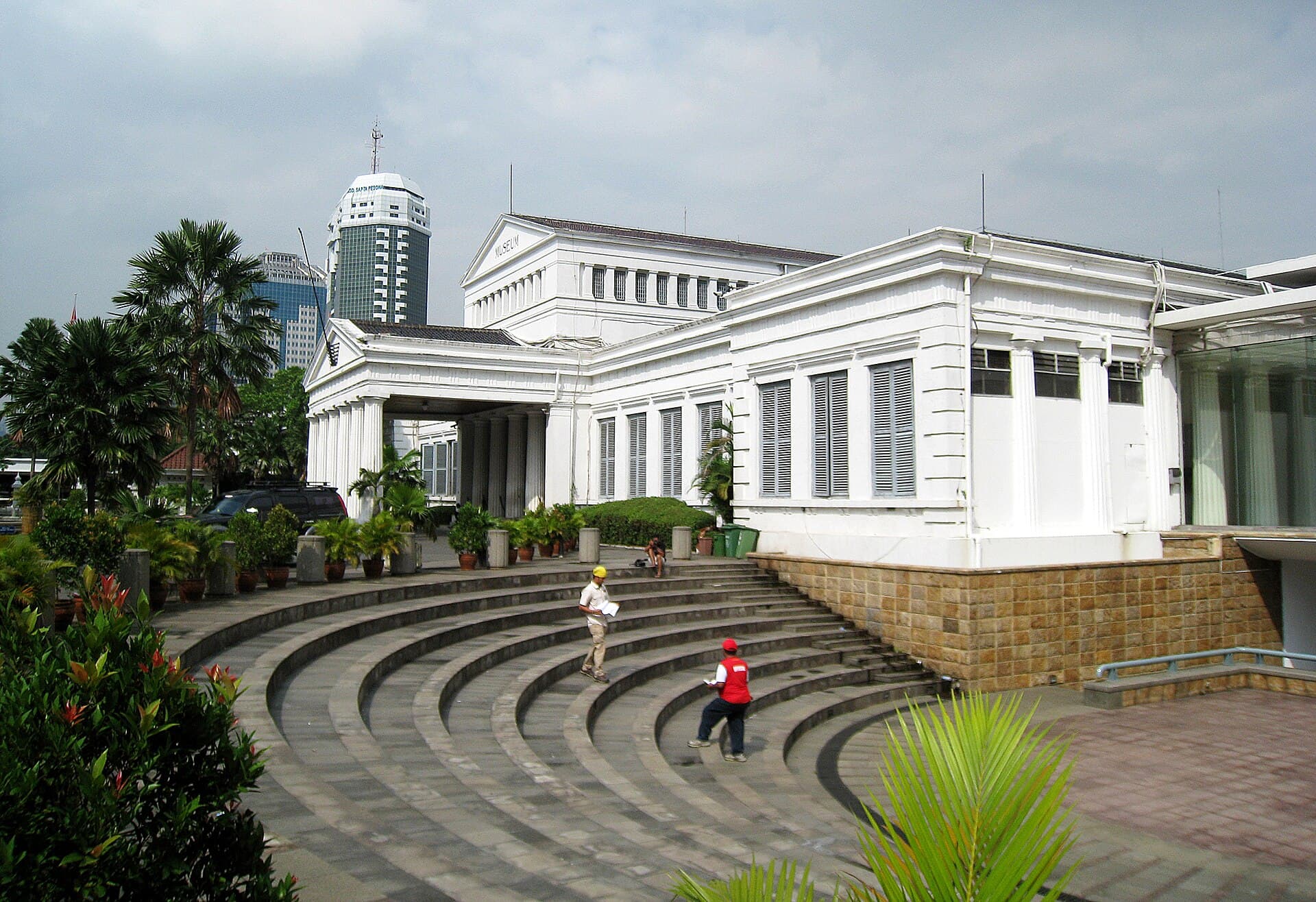
Also known as the Elephant Museum after the bronze elephant statue out front, it holds archaeology and ethnography collections from across the archipelago. Check opening days before you go, because museum schedules change.
How to get around Jakarta
- MRT Jakarta: the north-south line from Lebak Bulus to Bundaran HI (13 stations) opened on 24 March 2019 and avoids road traffic.
- TransJakarta: bus rapid transit with dedicated lanes and routes to Kota Tua, Monas and most central areas.
- KRL Commuter Line: the easiest train to Jakarta Kota Station for the Old Town.
- Ride-hailing apps: Gojek and Grab are common for the last kilometer. Many systems also accept e-money cards or QR payments.
Best time to visit Jakarta
Jakarta is hot and humid all year. The dry season, roughly May to September, is usually the easiest for walking. The rainy season, roughly November to March, brings afternoon downpours and occasional flooding, so carry a light rain jacket. On Sundays, Car Free Day closes part of Jalan Sudirman and Thamrin to cars in the morning, which makes a pleasant walk. Avoid the weekday rush hours if you can.
A 2-day Jakarta history itinerary
- Day 1 morning: Sunda Kelapa Harbor and Museum Bahari.
- Day 1 afternoon: Fatahillah Square and the Jakarta History Museum, then a coffee break in Kota Tua.
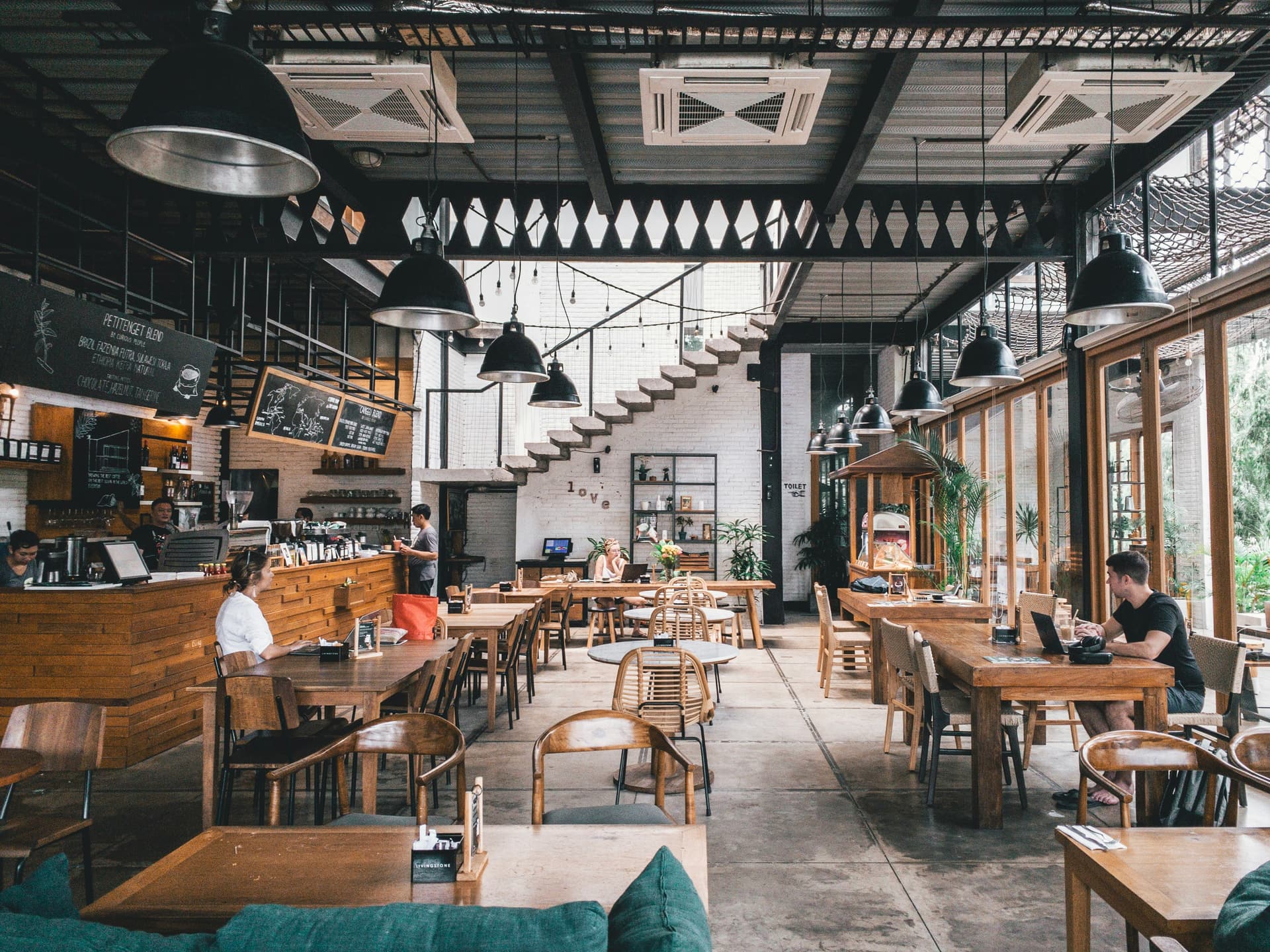
- Day 1 evening: MRT or ride-hailing to dinner in South Jakarta. Looking for a place? See our guide to 15 recommended cafés in South Jakarta.
- Day 2 morning: Monas and Medan Merdeka park, then Istiqlal Mosque and Jakarta Cathedral.
- Day 2 afternoon: National Museum of Indonesia.
- Day 2 evening: a walk or a meal along Jalan Thamrin and Sudirman.
Practical tips
- Start early. Mornings are cooler and less crowded.
- Carry water, sunscreen and a small umbrella.
- Dress modestly when entering mosques and other places of worship.
- Use official taxis or ride-hailing apps and agree on the route.
- Check opening hours and ticket rules on each site's official page before you go.
Frequently asked questions
When was Jakarta founded?
Jakarta's official founding date is 22 June 1527, when Fatahillah took the port of Sunda Kelapa and renamed it Jayakarta. The city celebrates its anniversary on that date every year.
Why was Jakarta called Batavia?
The Dutch East India Company (VOC) took the port in 1619 and officially named the new city Batavia on 18 January 1621. The name stayed until the Japanese occupation in 1942.
Is Jakarta still the capital of Indonesia?
Yes. Plans exist to move the capital to Nusantara in East Kalimantan, but court rulings in 2026 said Jakarta remains the capital until a presidential decree formally changes it.
How many days do you need in Jakarta?
Two to three days are enough to see the main historical sites: Kota Tua, Sunda Kelapa, Monas, Istiqlal Mosque and the National Museum.
Is Jakarta worth visiting?
Yes, if you like history, food and city life. Jakarta combines colonial-era sites, major museums, Betawi cuisine and a modern skyline, and it is an easy base for onward trips in Java and beyond.
What is the best time to visit Jakarta?
The dry season from about May to September is usually the most comfortable. Plan indoor stops, such as museums, for the afternoon heat or rain.
How do I get to Kota Tua?
Take the KRL Commuter Line to Jakarta Kota Station, or a TransJakarta bus to Kota. Fatahillah Square is a short walk away.
Conclusion
Jakarta is more than traffic and malls. It is a city with almost 500 years of history, and you can walk through most of it in a weekend. Pick your dates, ride the MRT to the Old Town, and see where Indonesia's capital began.
Sources
- Wikipedia: History of Jakarta.
- Wikipedia: Timeline of Jakarta.
- The Jakarta Post: Indonesia welcome first MRT Jakarta (23 March 2019).
- CNN Indonesia: Jokowi Resmikan MRT di Bundaran HI (24 March 2019).
- Constitutional Court of Indonesia (mkri.id): Court Declares Petition to Review DKJ Law Legally Unfounded (17 June 2026).
- Indonesia.travel: Fatahillah Museum.