Mashed Potatoes Recipe: Creamy, Fluffy and Foolproof in 35 Minutes
 Muhammad Fikri Gunawan · · 6 min read
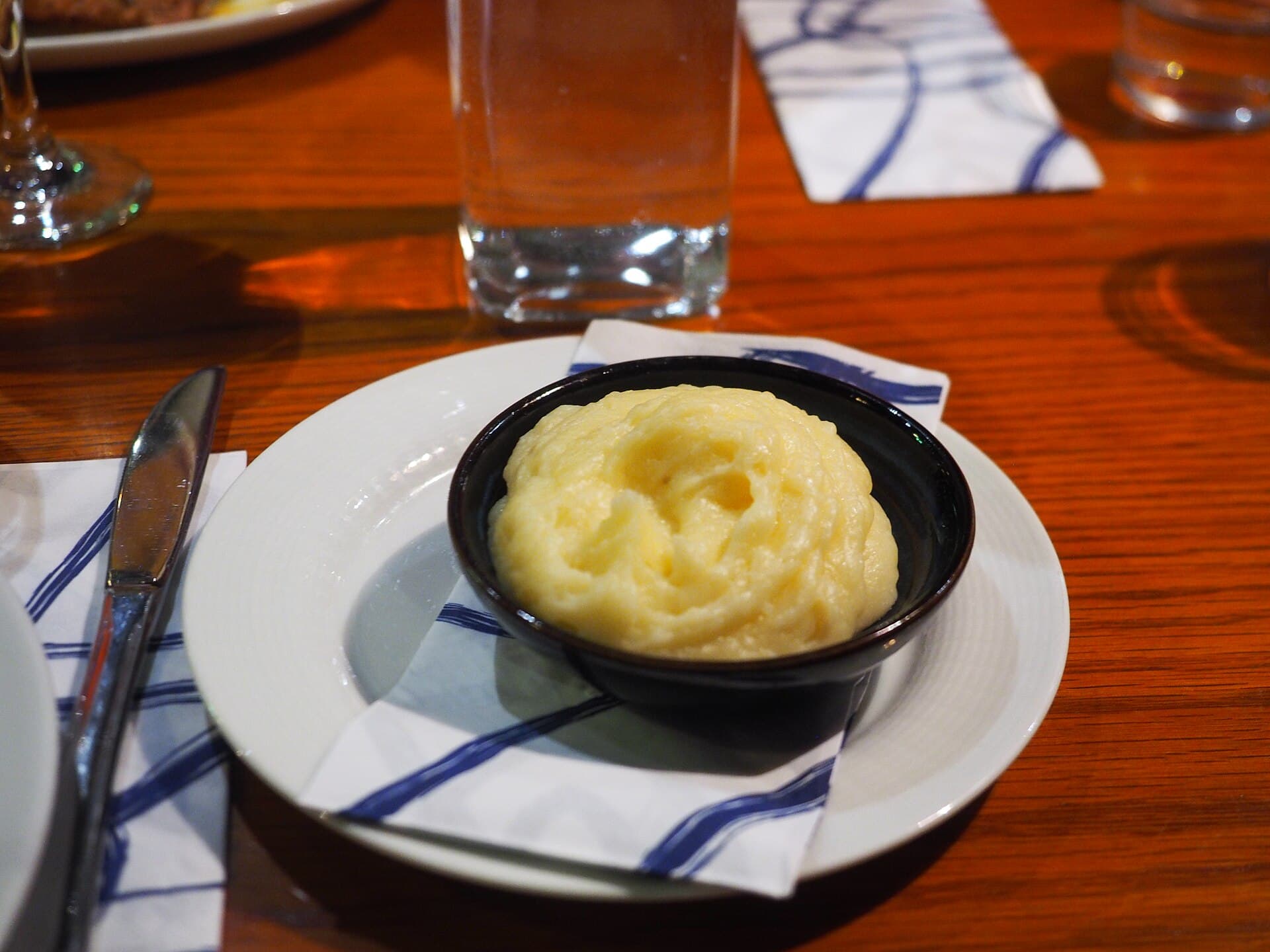
Mashed potatoes are boiled potatoes mashed with butter and warm milk until smooth and creamy. Use Yukon Gold or Russet potatoes and a few simple habits, and you will have a fluffy mash in about 35 minutes.
Quick answer: how do you make mashed potatoes?
Mashed potatoes are boiled potatoes mashed with butter and warm milk until smooth and creamy. For the best texture, use Yukon Gold or Russet potatoes, start them in cold salted water, drain them well, and mash them while hot with warm butter and milk. This recipe serves 4 to 6 and takes about 35 minutes: 10 minutes of prep and 25 minutes of cooking.
Mashed potatoes, called kentang tumbuk in Indonesian, are a classic side for fried chicken, steak, meatballs or a roast, and the leftovers turn into excellent potato fritters.
Key takeaways
- Start the potatoes in cold, salted water so they cook evenly from the outside in.
- Drain them well and let them steam dry for a minute. Wet potatoes make watery mash.
- Add warm butter and warm milk, never cold, so the mash stays hot and absorbs the liquid.
- Do not use a blender or food processor. Overworked potatoes turn gluey.
Ingredients (serves 4 to 6)
- 2 pounds (900 g) Yukon Gold or Russet potatoes, peeled and cut into 5 cm (2-inch) chunks
- 1 tablespoon salt for the cooking water, plus more to taste
- 4 tablespoons (60 g) unsalted butter
- 1/2 to 3/4 cup (120 to 180 ml) whole milk or half-and-half, warmed
- Black or white pepper, to taste
- Optional: 2 cloves of garlic, a pinch of nutmeg, and chopped chives
How to make mashed potatoes step by step
- Prep the potatoes. Peel and cut them into even chunks so they cook at the same speed, then rinse briefly.
- Boil. Put the potatoes in a large pot, cover with cold water by about 2.5 cm (1 inch), add the salt, and bring to a boil. Simmer for 15 to 20 minutes until a knife slides in with no resistance.
- Drain and dry. Drain well, return the potatoes to the hot pot over low heat, and stir for about 1 minute to evaporate extra moisture.
- Warm the dairy. Heat the milk and butter in a small pan until the butter melts. Do not let it boil.
- Mash. Mash with a potato masher or ricer, pouring in the warm milk mixture a little at a time, until smooth and creamy. Stop as soon as the texture looks right.
- Season and serve. Add salt and pepper to taste, top with a small piece of butter and chopped chives, and serve hot.
Tips for the creamiest mashed potatoes
Which potatoes make the best mash
Yukon Gold potatoes are naturally buttery and creamy, and Russets give a lighter, fluffier mash. Waxy potatoes such as small red potatoes hold their shape and make a denser, less fluffy mash, which suits a rustic style with the skins left on.
Why mashed potatoes turn gluey and how to avoid it
Mashing breaks open starch cells, and too much mixing releases sticky starch that makes the mash gluey. Use a hand masher or a ricer, never a blender or food processor, and stop mixing once the potatoes are smooth. Adding cold milk also cools the potatoes and makes them pasty, so always warm the dairy first.
How to make them richer or lighter
For a richer mash, replace some of the milk with cream, sour cream or cream cheese. For a lighter version, use warm chicken or vegetable stock with a little olive oil instead of butter.
Mashed potato variations
- Garlic mashed potatoes: simmer 3 or 4 peeled cloves of garlic with the potatoes and mash them together, or stir in roasted garlic.
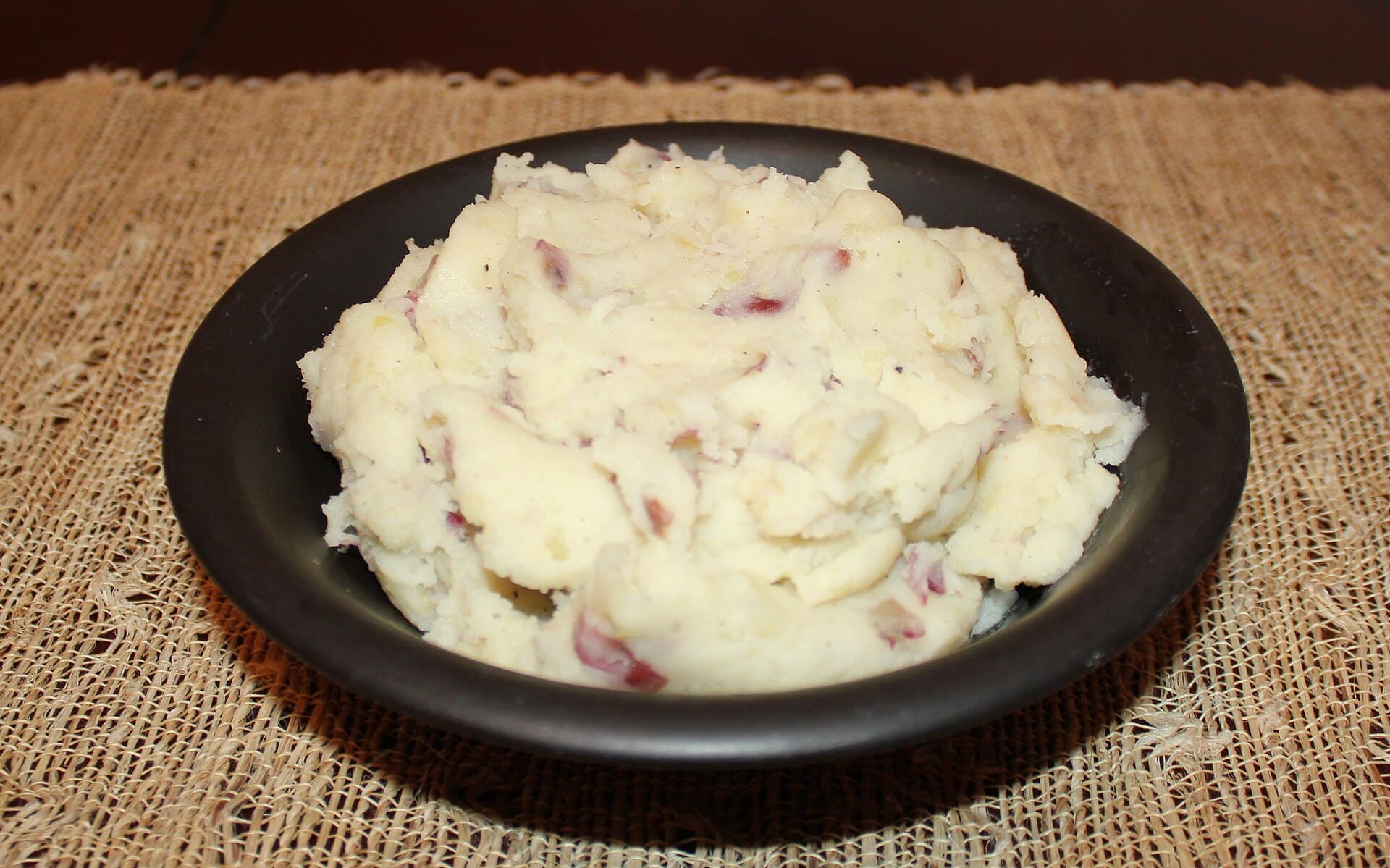
- Skin-on mashed potatoes: scrub red or Yukon Gold potatoes and leave the skins on for a rustic mash with more texture.
- Dairy-free: use olive oil and an unsweetened plant milk in place of butter and milk.
- Loaded: stir in sharp cheddar, crisp bacon and sliced scallions.
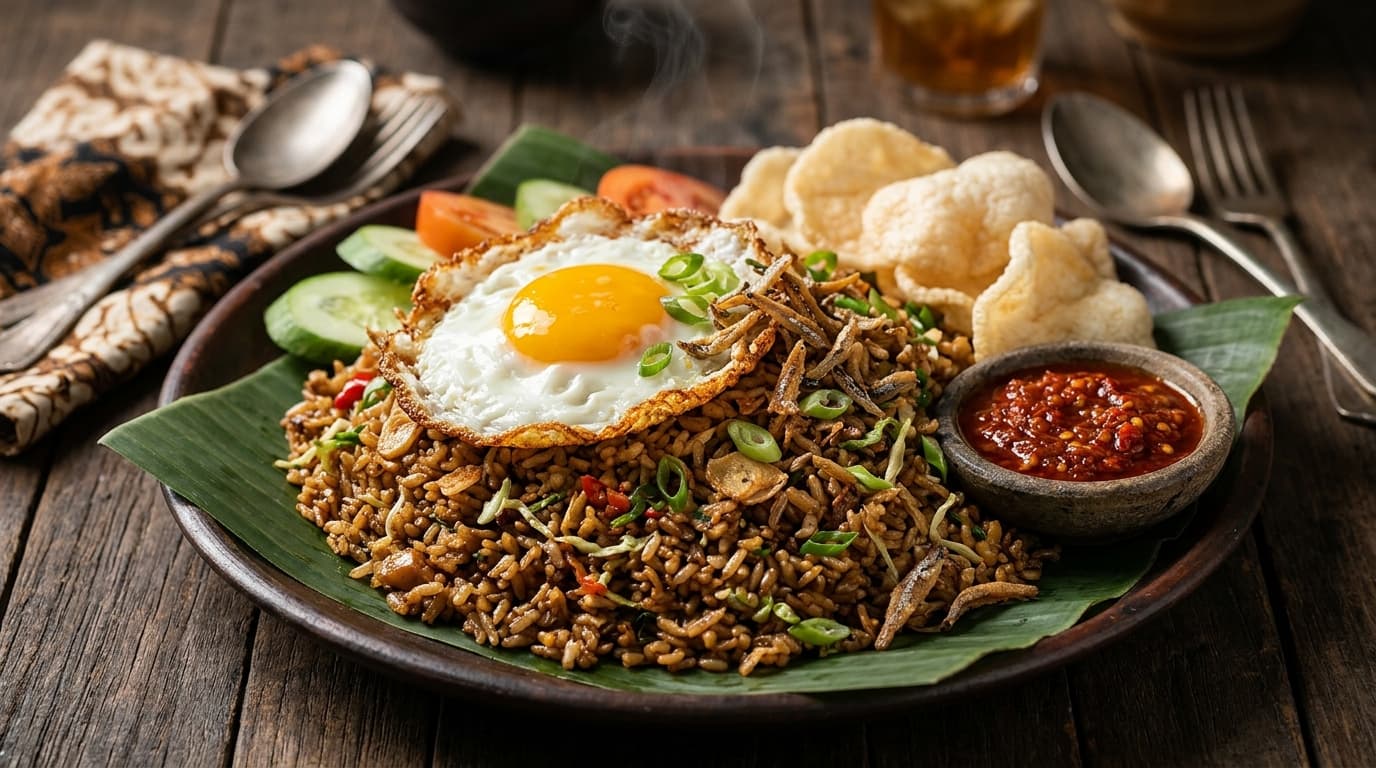
- Indonesian-style: top the mash with fried shallots (bawang goreng) and serve it with ayam goreng, or turn leftovers into perkedel kentang by mixing with egg, scallion and fried shallots and pan-frying small patties.
What to serve with mashed potatoes
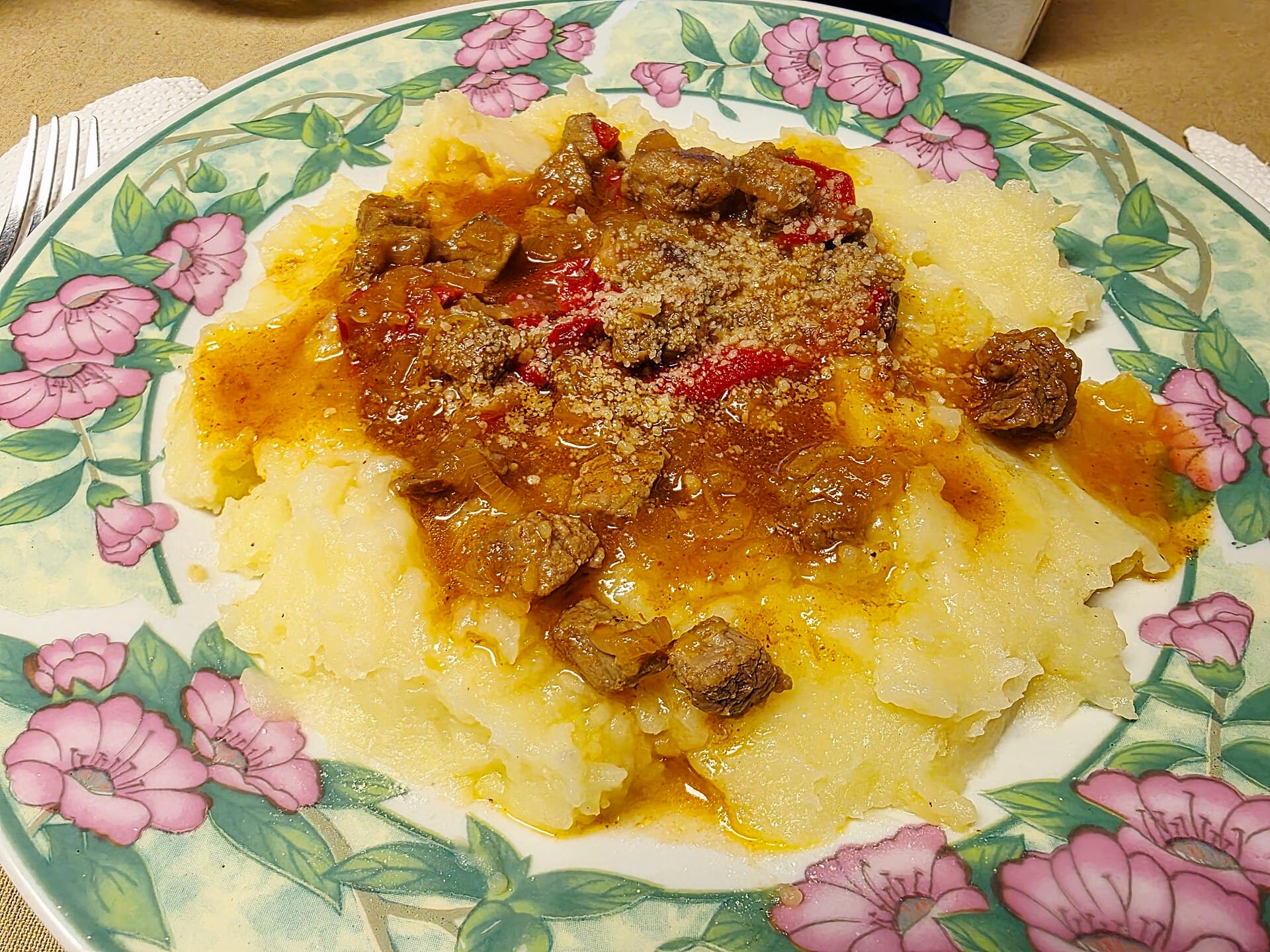
Mashed potatoes go with roast chicken, fried chicken, steak, meatloaf, sausages and meatballs, especially with gravy. They are also a standard side for holiday dinners and pair well with simple green vegetables such as beans or peas.
Make ahead, storage and reheating
You can make mashed potatoes up to 2 hours ahead and keep them warm in a covered pot over very low heat, or in a slow cooker on the warm setting. Refrigerate leftovers within 2 hours in an airtight container and eat them within 3 to 4 days. Reheat on the stove with a splash of milk, stirring often, or in the microwave covered, until steaming hot. Mashed potatoes freeze for about 2 to 3 months, though the texture is slightly softer after thawing.
Frequently asked questions
How long do you boil potatoes for mashed potatoes?
Simmer 5 cm (2-inch) chunks for about 15 to 20 minutes after the water boils. They are ready when a knife or fork slides in with no resistance.
What is the best way to mash potatoes?
A ricer gives the smoothest, fluffiest mash, and a hand masher makes a slightly more rustic one. Avoid blenders and food processors because they overwork the starch.
Why are my mashed potatoes gluey?
Overmixing, or using a blender or food processor, releases too much starch. Cold milk and waterlogged potatoes make it worse. Mash gently, warm the dairy and drain the potatoes well.
Can I make mashed potatoes ahead of time?
Yes. Keep them warm in a covered pot over very low heat or in a slow cooker for up to 2 hours, or refrigerate and reheat on the stove with a splash of milk.
How many potatoes do I need per person?
Plan on about 150 to 225 g (1/3 to 1/2 pound) of raw potatoes per person. Two pounds (900 g) feeds 4 to 6 people as a side dish.
Should I peel the potatoes?
Peel them for a silky, smooth mash. Leave the skins on thin-skinned potatoes such as Yukon Gold or red potatoes if you want a rustic mash with more texture and fiber.
Final thoughts
Great mashed potatoes come down to a few habits: start in cold salted water, dry the potatoes after draining, add warm butter and milk, and mash gently. Follow those and you will get a creamy, fluffy mash every time, ready for gravy or any weeknight dinner.