Keto Diet Explained: How It Works and the 10 Keto Recipes People Make Most
 Muhammad Fikri Gunawan · · 11 min read
The keto diet is a very low-carb, high-fat way of eating that pushes the body into ketosis. Here is how it works, what to eat, who should skip it, and the 10 keto recipes people make most.
Quick answer: what is the keto diet?
The keto (ketogenic) diet is a very low-carbohydrate, high-fat way of eating that pushes your body into a metabolic state called ketosis. Instead of running mainly on glucose from carbs, your liver turns fat into molecules called ketones, which your body and brain use as fuel. Most people reach this state by eating about 20 to 50 grams of net carbs per day.
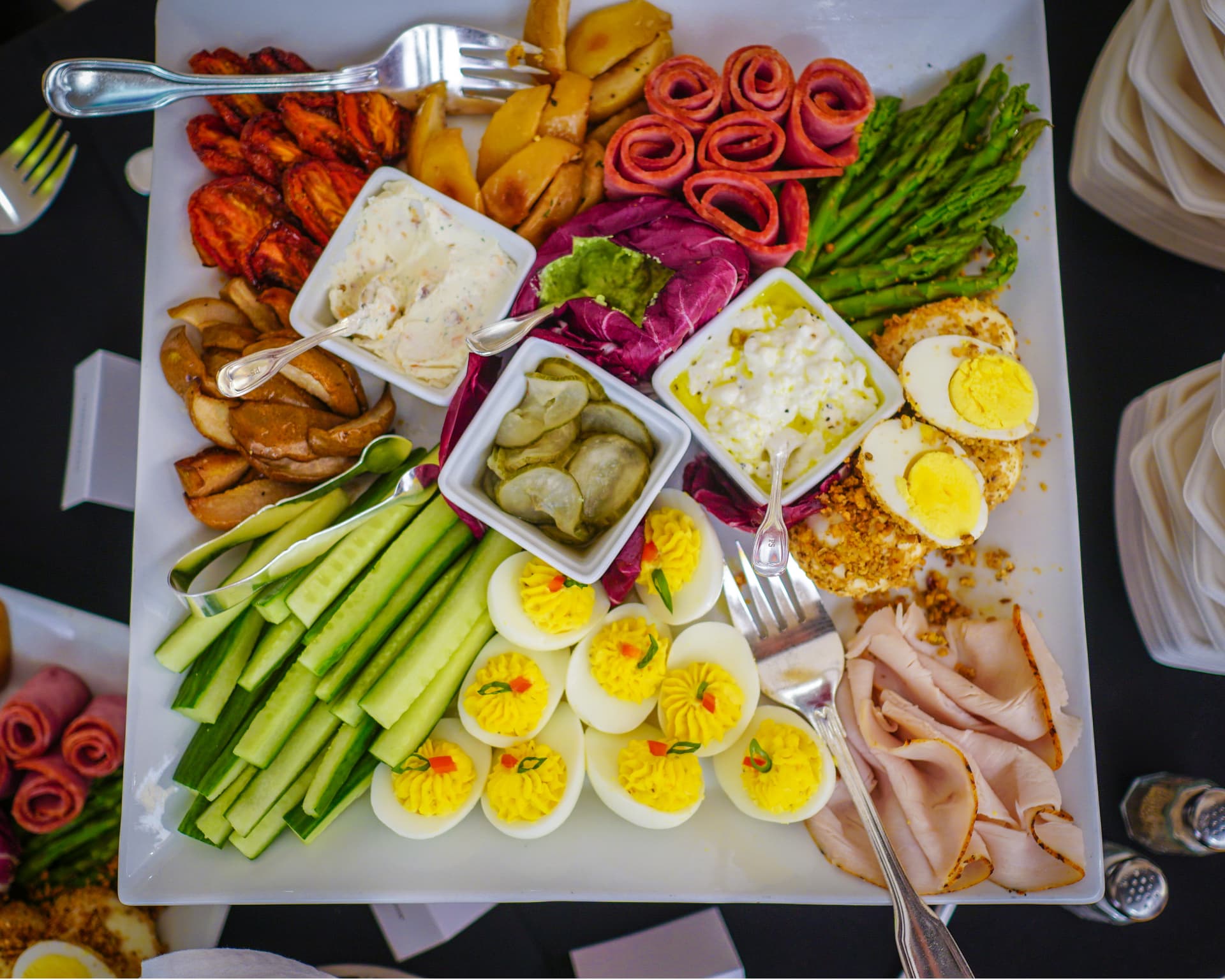
A typical keto plate is built around eggs, meat, fatty fish, cheese, butter, olive oil, avocado and non-starchy vegetables, while bread, rice, pasta, potatoes, sugar and most fruit are left out. This guide explains how keto works, what to eat, the risks, and then walks you through the 10 keto recipes people make most, each with approximate net carbs per serving.
Key takeaways
- Keto means roughly 70 to 80% of calories from fat, 10 to 20% from protein and 5 to 10% from carbs.
- Net carbs are total carbs minus fiber. Most people stay at 20 to 50 g of net carbs per day.
- It usually takes 2 to 4 days, sometimes longer, to enter ketosis.
- Keto can help with short-term weight loss and blood sugar control, but long-term evidence is limited, so it is not right for everyone.
- Talk to a doctor first if you have diabetes, kidney, liver or pancreatic disease, or if you are pregnant or breastfeeding.
- The 10 recipes below are keto staples, and most need under 30 minutes of hands-on time.
How the keto diet works
What is ketosis?
Normally your body breaks carbohydrates down into glucose and uses it as its main fuel. When you cut carbs sharply, blood sugar and insulin levels fall, and the liver starts converting fatty acids into ketones (mainly beta-hydroxybutyrate and acetoacetate). This metabolic switch is called ketosis. Eating too many carbs, or too much protein, can pull you out of it, which is why tracking matters in the first weeks.
The keto macros
A standard ketogenic diet splits calories roughly like this:
- Fat: about 70 to 80% of calories
- Protein: about 10 to 20%, moderate rather than high
- Carbohydrates: about 5 to 10%, usually 20 to 50 g of net carbs per day
Net carbs are total carbohydrates minus fiber (and, for some people, minus sugar alcohols such as erythritol). A cup of leafy greens costs you almost nothing, while a single banana can use up most of a day's allowance.
Where keto comes from
The diet is older than most people think. In the 1920s, doctors at the Mayo Clinic used a high-fat, very low-carb diet that mimics fasting to treat children with epilepsy, and Dr. Russell Wilder gave it the name "ketogenic diet" in 1921. It is still a medical therapy for drug-resistant epilepsy today, and it later became popular as a weight-loss approach.
What to eat and what to avoid on keto
Foods to eat
- Protein: eggs, beef, lamb, pork, chicken thighs, bacon and fatty fish such as salmon, sardines and mackerel.
- Dairy: butter, heavy cream, hard and soft cheeses, and plain full-fat Greek yogurt in small amounts.
- Healthy fats: olive oil, avocado oil, coconut oil, avocado and olives.
- Non-starchy vegetables: spinach, kale, lettuce, broccoli, cauliflower, zucchini, asparagus and mushrooms.
- Nuts and seeds: almonds, walnuts, macadamias, chia and flax seeds, in measured portions.
- Drinks: water, sparkling water, black coffee and unsweetened tea.
Foods to avoid
- Sugar, honey, syrup, sweets, desserts and sugary drinks, including fruit juice.
- Bread, pasta, rice, noodles, cereal, flour and most baked goods.
- Starchy vegetables such as potatoes, corn and sweet potatoes.
- Most fruit, such as bananas, mangoes, grapes and apples. Small portions of berries are the usual exception.
- Beans, lentils and chickpeas, which are high in carbs.
- Beer and sweet cocktails. Dry wine and spirits have few carbs but should stay moderate.
Benefits, risks and who should avoid keto
What research says
Studies show that people on a ketogenic diet often lose weight faster than people on low-fat diets in the first 3 to 6 months, partly because ketosis can reduce appetite and partly because of early water loss. Keto can also lower blood sugar and HbA1c in people with type 2 diabetes, and it is an established treatment for some forms of epilepsy. The catch is that long-term evidence beyond one to two years is limited, and some studies find that the advantage over other diets shrinks over time.
Common side effects: the "keto flu"
In the first days or weeks some people get headaches, fatigue, nausea, dizziness, irritability, muscle cramps or constipation, often called the keto flu. It is mostly linked to fluid and electrolyte loss. Drinking enough water, salting your food, eating potassium and magnesium-rich vegetables and getting enough fiber usually help. Some people also see their LDL cholesterol rise, so it is smart to check your blood lipids with a doctor.
Who should not do keto without medical advice
- People with type 1 diabetes, or anyone taking insulin, sulfonylureas or SGLT2 inhibitors, because of the risk of low blood sugar or ketoacidosis.
- Pregnant or breastfeeding women.
- People with pancreatitis, liver failure, gallbladder problems or kidney disease.
- People with rare fat-metabolism disorders such as carnitine deficiency or porphyria.
- Anyone with a history of eating disorders.
This article is general information, not medical advice. Check with a doctor or registered dietitian before you start.
The 10 most popular keto recipes people make
There is no official ranking of keto recipes, so this list is based on the dishes that show up again and again in keto meal plans, cookbooks and recipe collections around the world. They share three traits: few ingredients, very low carbs and flavor that comes from fat. Net carb numbers are approximate per serving and change with brands and portion size, so always check your own labels.
1. Bacon and eggs: the keto breakfast classic
Almost every keto journey starts here. Eggs and bacon are cheap, filling and nearly carb-free, and the fat keeps you full until lunch. Fry 2 to 3 slices of bacon until crisp, then cook 2 to 3 eggs in the same pan so they pick up the flavor. Add spinach or mushrooms and a pat of butter for extra fat.
Net carbs: about 1 g per serving.
2. Avocado and egg, baked or as a salad
Avocado is the poster child of keto: creamy, rich in monounsaturated fat and high in fiber. Halve an avocado, crack an egg into each hollow, season and bake at 200°C (400°F) for 12 to 15 minutes. Or slice it over halved hard-boiled eggs and mixed greens with olive oil, salt and black pepper.
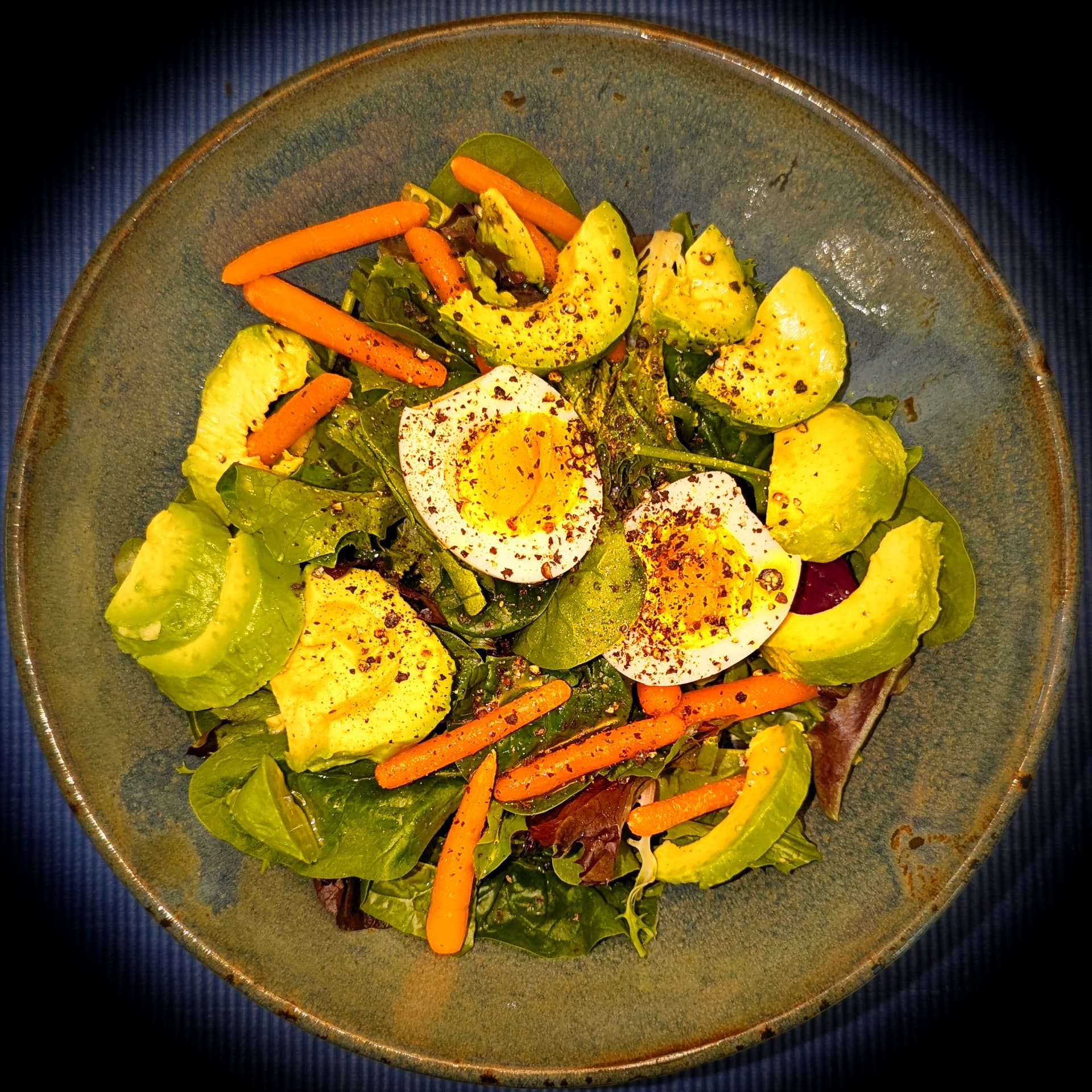
Net carbs: about 2 to 3 g per half avocado with an egg.
3. Cauliflower rice and cauliflower fried rice
Cauliflower rice is the most common way to replace white rice on keto. Pulse florets in a food processor until they look like rice grains, then sauté them in butter or oil for 5 to 7 minutes. For keto fried rice, add scrambled egg, garlic, soy sauce or coconut aminos, spring onion and chicken, shrimp or sausage. A cup of cooked white rice carries about 45 g of carbs, while a cup of cauliflower rice has only about 5 g (around 3 g net).
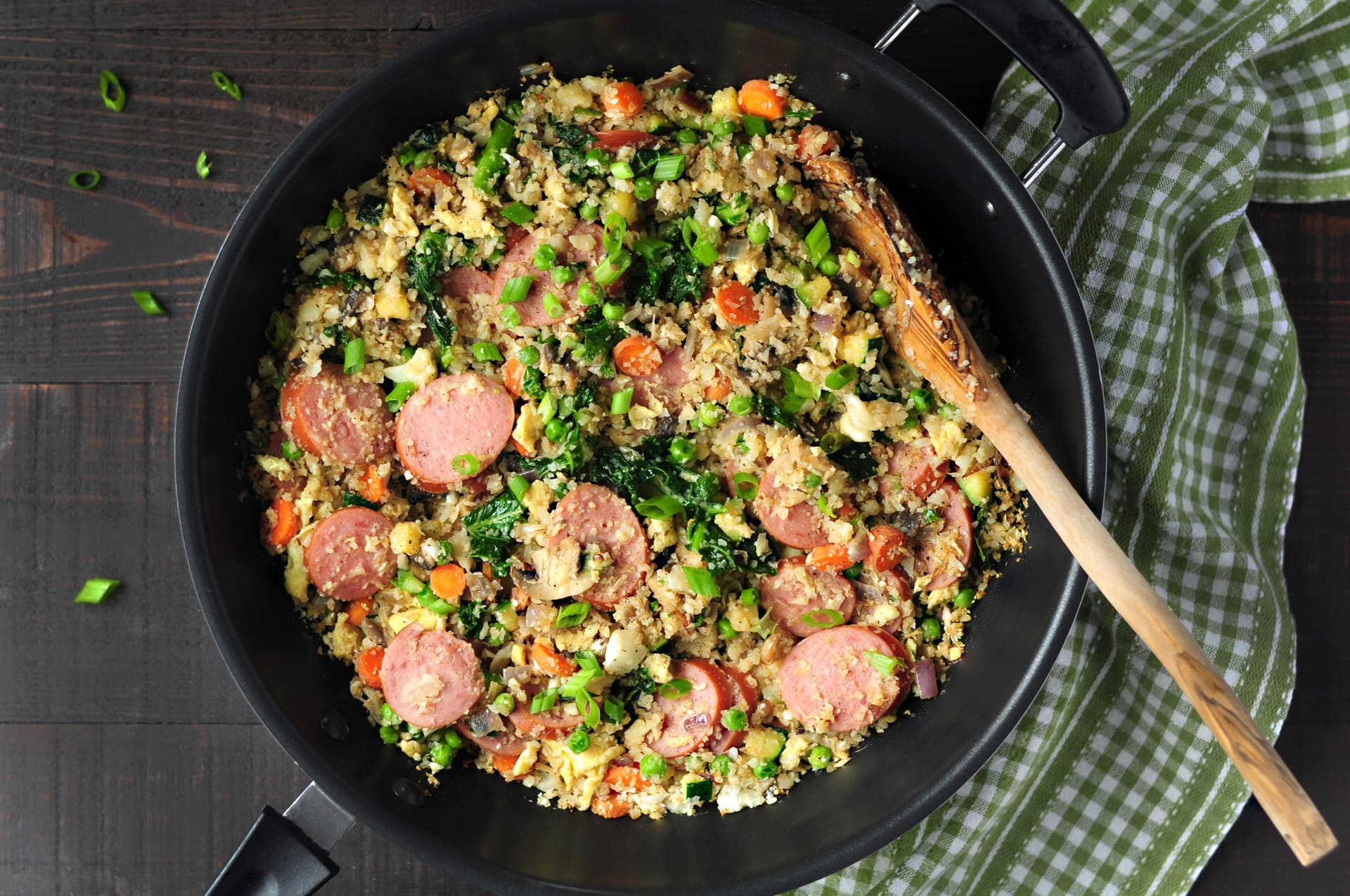
Net carbs: about 3 to 5 g per cup, depending on add-ins.
4. Zucchini noodles (zoodles) with bolognese or pesto
Spiralized zucchini replaces pasta with a fraction of the carbs. Spiralize one or two zucchini, pat them dry and sauté for only 2 to 3 minutes so they stay firm instead of watery. Top with a meat bolognese, or toss with basil pesto, parmesan and olive oil.
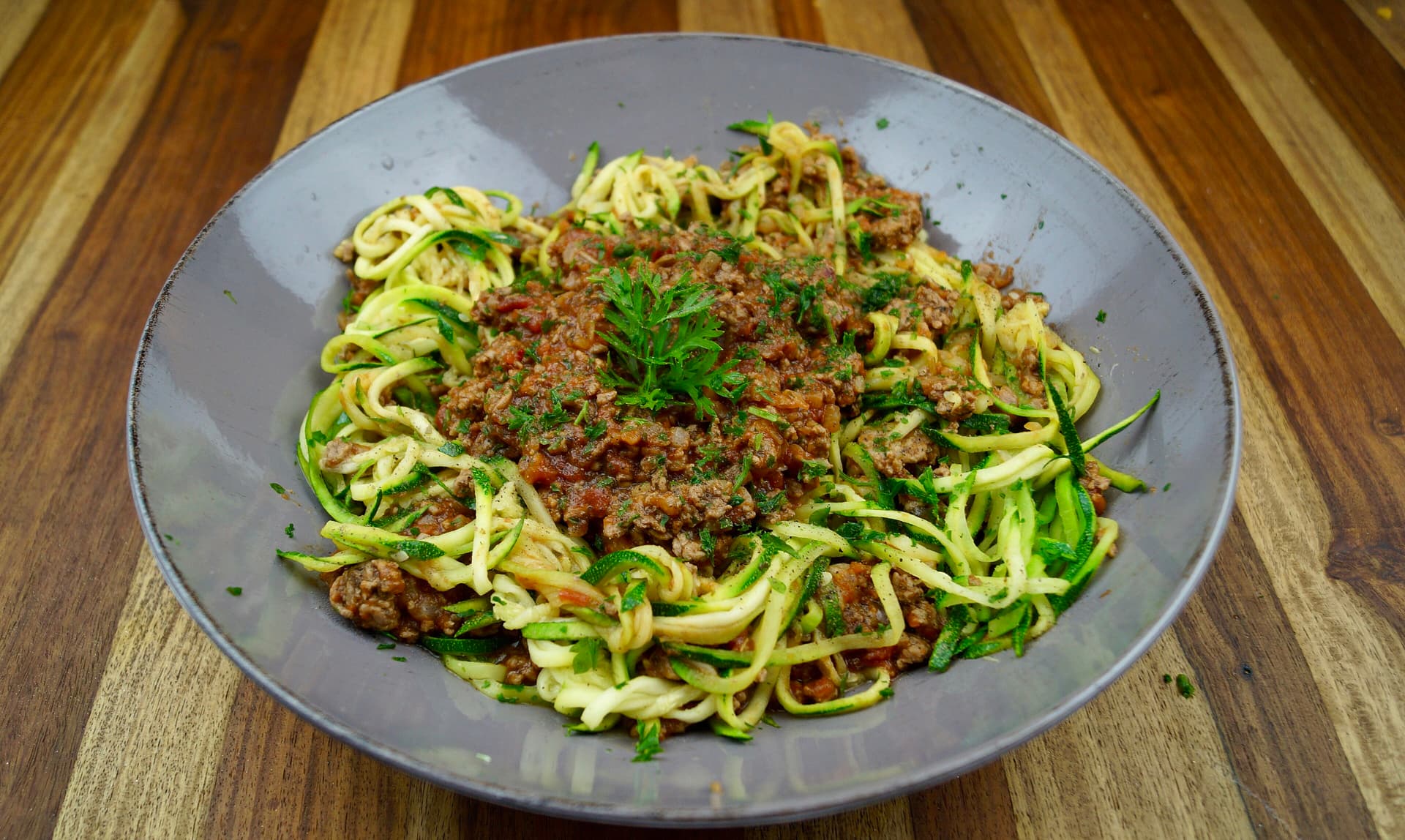
Net carbs: about 4 to 6 g per serving, mostly from the sauce.
5. Garlic butter salmon
Salmon is a keto favorite because it pairs fat and protein with omega-3 fatty acids, and it is ready in about 15 minutes. Season the fillets with salt and pepper, sear them skin-side down in a hot pan for 4 minutes, flip, then add butter, minced garlic and lemon juice and baste for another 3 to 4 minutes. Serve with asparagus, broccoli or a green salad.
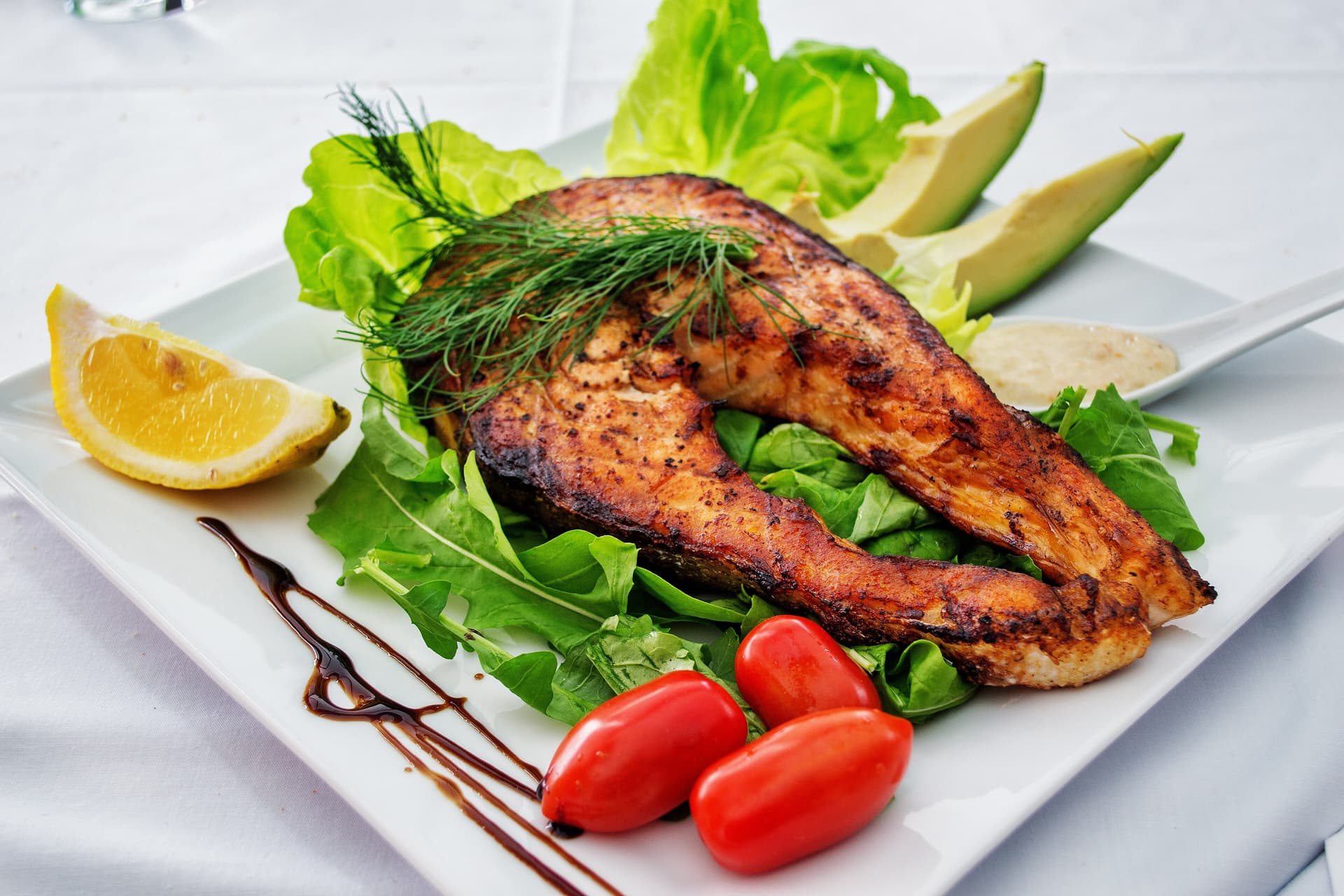
Net carbs: about 1 g per serving.
6. Chaffles: cheese and egg waffles
A chaffle is a waffle-iron "bread" made from just egg and shredded cheese, usually mozzarella or cheddar. Whisk 1 egg with 1/2 cup of shredded cheese, pour it into a hot mini waffle maker and cook for 3 to 4 minutes until crisp. Use chaffles as sandwich bread, a burger bun or a pizza base, or add a little keto sweetener and cinnamon for a sweet version.
Net carbs: about 1 to 2 g per chaffle.
7. Bunless cheeseburger in a lettuce wrap
Burgers stay keto when the bun goes. Season ground beef, form patties and cook 3 to 4 minutes per side, then top with cheese, bacon, tomato and pickles and wrap everything in a big lettuce leaf. Skip ketchup, which has about 4 g of sugar per tablespoon, and use mustard, mayonnaise or a sugar-free sauce instead.
Net carbs: about 1 to 3 g, depending on toppings.
8. Creamy garlic Tuscan chicken thighs
Chicken thighs stay juicy and have more fat than breasts. Sear seasoned thighs until golden and set them aside, then simmer garlic, heavy cream, parmesan, spinach and a few sun-dried tomatoes in the same pan. Return the chicken, simmer for 10 minutes and serve with cauliflower mash or zucchini noodles.
Net carbs: about 3 to 5 g per serving.
9. Cauliflower mac and cheese
Cauliflower mac and cheese gives you the comfort-food hit without the pasta. Steam or roast cauliflower florets until just tender, stir them into a sauce of cream cheese, heavy cream and cheddar, top with more cheese and bake until bubbly.
Net carbs: about 6 to 9 g per serving.
10. Keto fat bombs
Fat bombs are small, no-bake sweet bites made from fats such as coconut oil, butter, cream cheese or nut butter, plus unsweetened cocoa or a keto-friendly sweetener. Mix, pour into a silicone mold, freeze for 30 minutes and keep them in the freezer. They curb sugar cravings, but they are calorie-dense, so one or two a day is enough.
Net carbs: about 1 to 2 g each.
Tips for starting keto without the struggle
- Track net carbs for the first two weeks. An app such as Cronometer or MyFitnessPal makes hidden carbs in sauces and drinks easy to spot.
- Plan three or four staple meals from the list above and rotate them.
- Drink water and add electrolytes. Salt your food and eat leafy greens, avocado and nuts for potassium and magnesium.
- Eat enough fiber from non-starchy vegetables, chia or flax seeds to avoid constipation.
- Add fat until you are satisfied, not past it. Fat is your fuel, but it is also calorie-dense.
- Read labels. Sauces, sausages, "sugar-free" snacks and flavored yogurts often hide carbs.
- Be patient. If the scale does not move, the cause is usually total calories, hidden carbs or portion size.
Frequently asked questions
How many carbs can I eat on the keto diet?
Most people stay at 20 to 50 grams of net carbs per day. Starting near 20 g helps you reach ketosis faster, and you can adjust to your own tolerance afterwards.
How long does it take to get into ketosis?
Usually 2 to 4 days of eating under 50 g of net carbs, but it can take a week or more depending on your activity level, metabolism and how much protein you eat.
Can I eat fruit on keto?
Most fruit is too high in sugar. Small portions of berries such as strawberries, raspberries and blackberries fit, and so do avocado, tomato, olives and lemon, which are technically fruits with very few net carbs.
Is the keto diet safe long term?
Evidence beyond one to two years is limited. Keto is generally considered safe for many healthy adults in the short term, but long-term use should be monitored by a doctor, with regular checks of cholesterol, kidney function and nutrient levels.
Can vegetarians do keto?
Yes. Build meals around eggs, cheese, tofu, nuts, seeds, avocado, olive oil and low-carb vegetables, and watch portions of legumes, which are high in carbs.
Is keto good for weight loss?
It can be, especially in the first months, because it reduces appetite and cuts out refined carbs. Weight loss still depends on eating fewer calories than you burn, so the best diet is the one you can stick with.
Sources and further reading
General background in this article draws on public guidance from Mayo Clinic, the Harvard T.H. Chan School of Public Health (The Nutrition Source), the Epilepsy Foundation and the NIH StatPearls entry on the ketogenic diet. Recipe net carbs are approximate and for guidance only.