8 Japanese Techniques to Overcome Laziness: Ikigai, Kaizen and More
 Muhammad Fikri Gunawan · · 8 min read

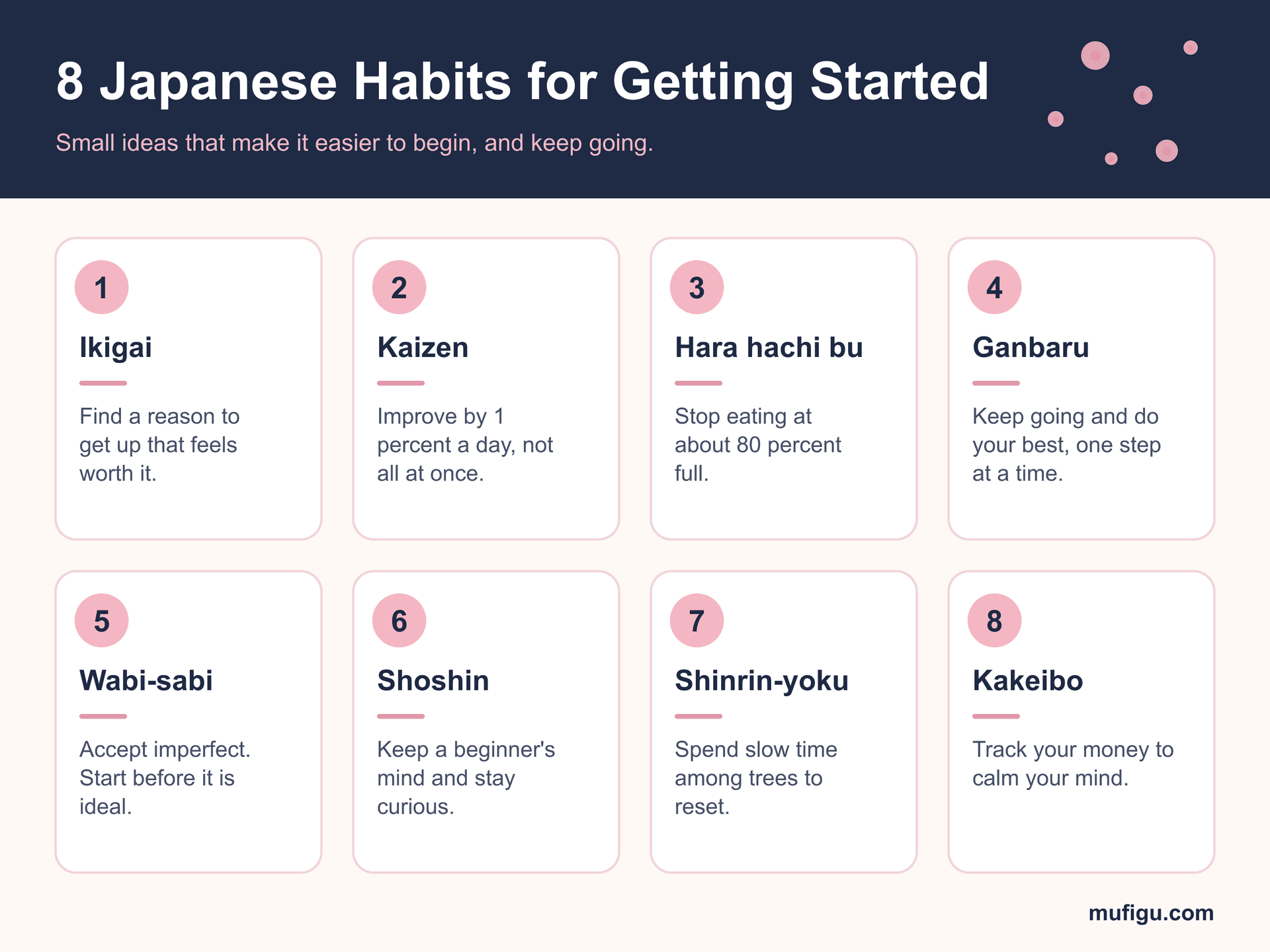
Eight Japanese ideas can help you start and keep going: ikigai, kaizen, hara hachi bu, ganbaru, wabi-sabi, shoshin, shinrin-yoku and kakeibo. Here is what each means and how to try it today.
Quick answer: which Japanese techniques help you overcome laziness?
Eight Japanese ideas can help you start and keep going: ikigai (a reason to get up), kaizen (small steady improvements), hara hachi bu (stop eating at about 80 percent full), ganbaru (perseverance), wabi-sabi (accepting imperfection), shoshin (a beginner's mind), shinrin-yoku (forest bathing) and kakeibo (a budget notebook). The best one to try first is kaizen, because it makes starting almost effortless.
None of these were invented as "anti-laziness hacks". They are older ideas about purpose, work, food, beauty, learning, nature and money. But each one removes a different barrier that makes people stall: no purpose, a task that feels too big, perfectionism, burnout or money stress. Use them as a toolkit, not a rulebook.
Key takeaways
- Laziness is often a signal: unclear purpose, overwhelm, perfectionism, stress or fatigue.
- Start with kaizen: improve by one tiny step every day.
- Lower the bar with wabi-sabi and shoshin: an imperfect start beats a perfect plan.
- Look after your energy with hara hachi bu, shinrin-yoku and rest, and calm money stress with kakeibo.
- If low energy lasts for weeks, talk to a doctor or a mental health professional.
The 8 techniques at a glance
Why do we feel lazy in the first place?
What we call laziness is often something else. A task can feel too big, the reason for doing it can feel unclear, we can be afraid of doing it badly, or we can simply be tired or stressed. Each technique below targets one of those causes, so you can pick the one that matches what is really holding you back.
The 8 Japanese techniques to overcome laziness
1. Ikigai: find a reason that feels worth getting up for
Ikigai is usually translated as "a reason for being" or "what makes life worth living". Japanese psychiatrist Mieko Kamiya brought the word to wide attention in her 1966 book On the Meaning of Life. For many Japanese people, ikigai can be small and everyday, such as a morning coffee, a hobby or caring for family, and not necessarily a grand life mission.
The popular four-circle diagram (what you love, what you are good at, what the world needs and what you can be paid for) is a Western adaptation from the 2010s, not an original Japanese model. It can be a useful brainstorming tool, but you do not have to fit your life into it.
Try this today: write down one thing that would make today feel worthwhile, and do the smallest version of it.
2. Kaizen: improve a little every day

Kaizen means "change for the better" and refers to continuous improvement in small steps. It grew out of Japan's post-war industry, most famously at Toyota, and reached Western readers through Masaaki Imai's 1986 book Kaizen: The Key to Japan's Competitive Success.
For laziness, kaizen is the most practical tool. Instead of "clean the whole house" or "write the report", shrink the task until it is almost too small to refuse: put on your running shoes, write one sentence, wash one cup. Small wins build momentum.
Try this today: pick one task, cut it down to 2 minutes, and do it right now.
3. Hara hachi bu: stop eating at about 80 percent full
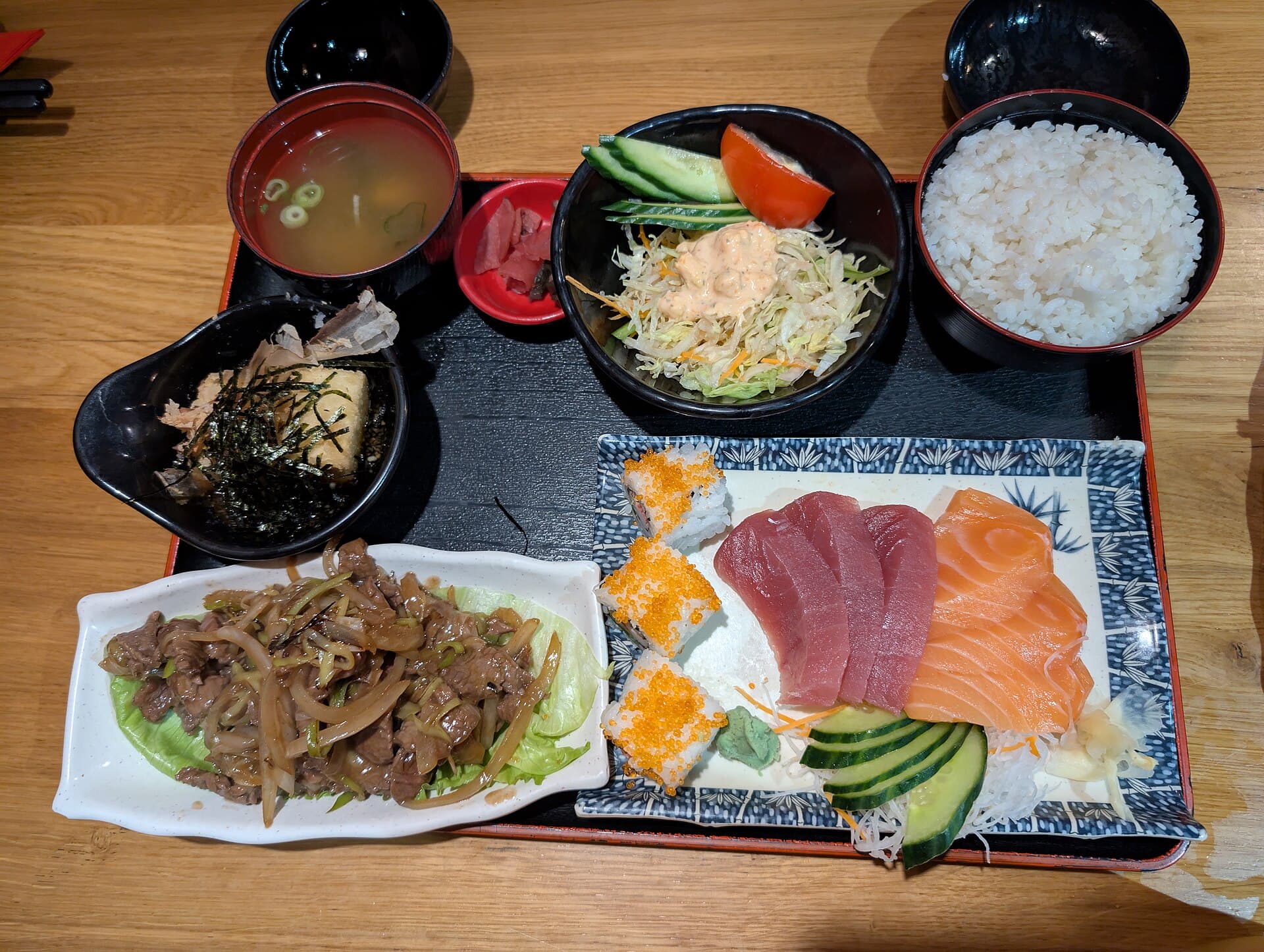
Hara hachi bu means roughly "eight parts out of ten". It is a traditional saying about eating until you are about 80 percent full, often linked with Okinawa and with older Confucian teachings. Evidence that it improves health is limited, so treat it as a mindful-eating habit rather than a promise.
It can help your energy because a very heavy meal often leaves you sluggish. Eating slowly and stopping a little before you feel stuffed leaves you lighter, which makes it easier to keep working or moving after lunch.
Try this today: leave the last few bites of your next meal and notice how you feel an hour later.
4. Ganbaru: keep going and do your best
Ganbaru is a verb meaning to persevere and do your best. It is also the root of the cheers "ganbare" and "ganbatte", which mean "hang in there". It is about showing up through difficulty, one step at a time, and being patient with how long results take.
A caution: ganbaru can slide into overwork when there is no rest. Use it for steady effort, not for pushing through exhaustion.
Try this today: commit to 15 minutes on something you keep avoiding, then stop on purpose.
5. Wabi-sabi: find peace in imperfection
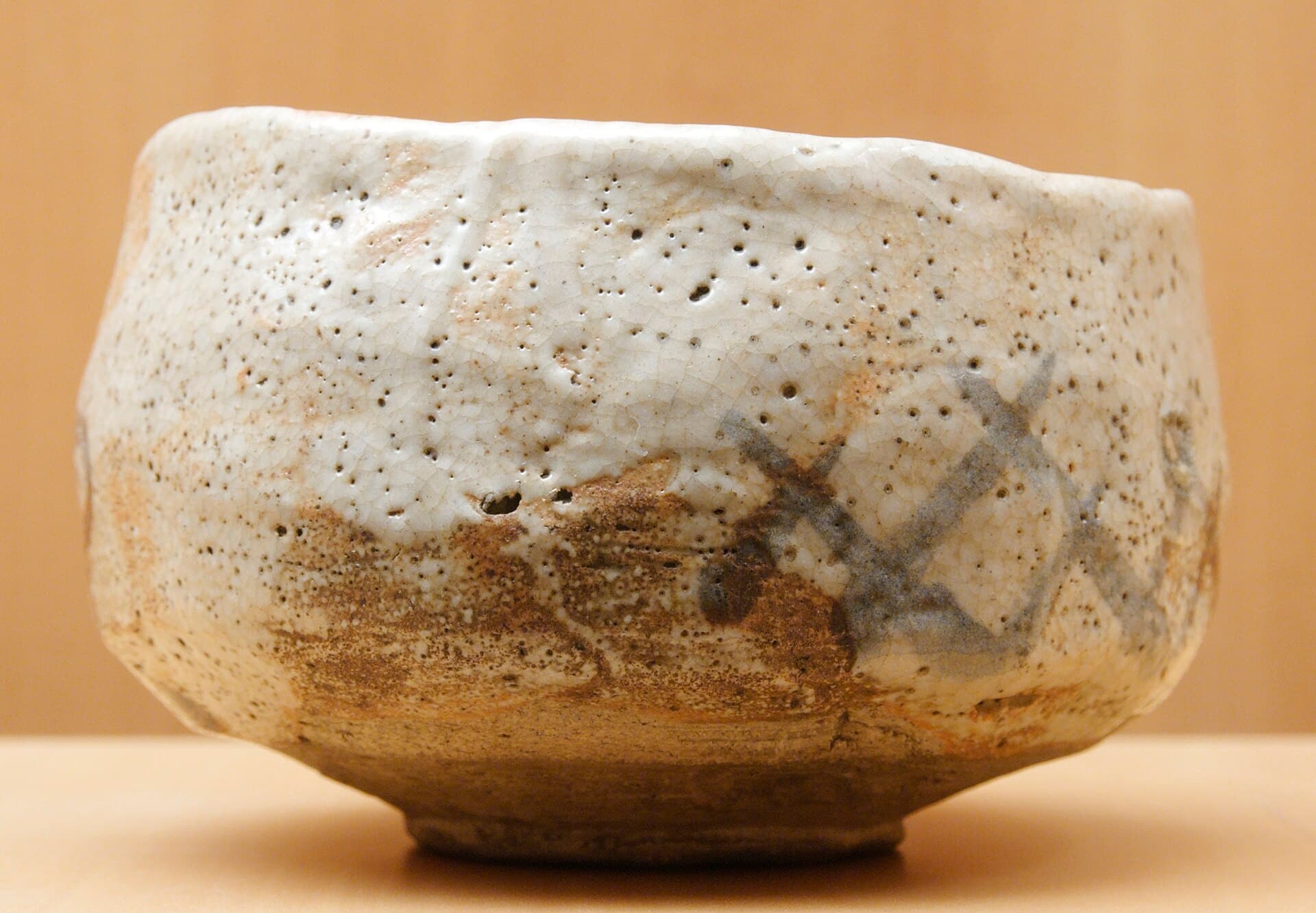
Wabi-sabi is a Japanese outlook that finds beauty in things that are imperfect, impermanent and incomplete, such as a hand-shaped tea bowl or weathered wood. It grew alongside the tea ceremony and Zen ideas.
For laziness, it is a cure for perfectionism. When you wait until conditions are perfect, you never start. Wabi-sabi gives you permission to write a rough first draft, do a short workout or make an untidy first attempt.
Try this today: finish one task at "good enough" and share it.
6. Shoshin: keep a beginner's mind
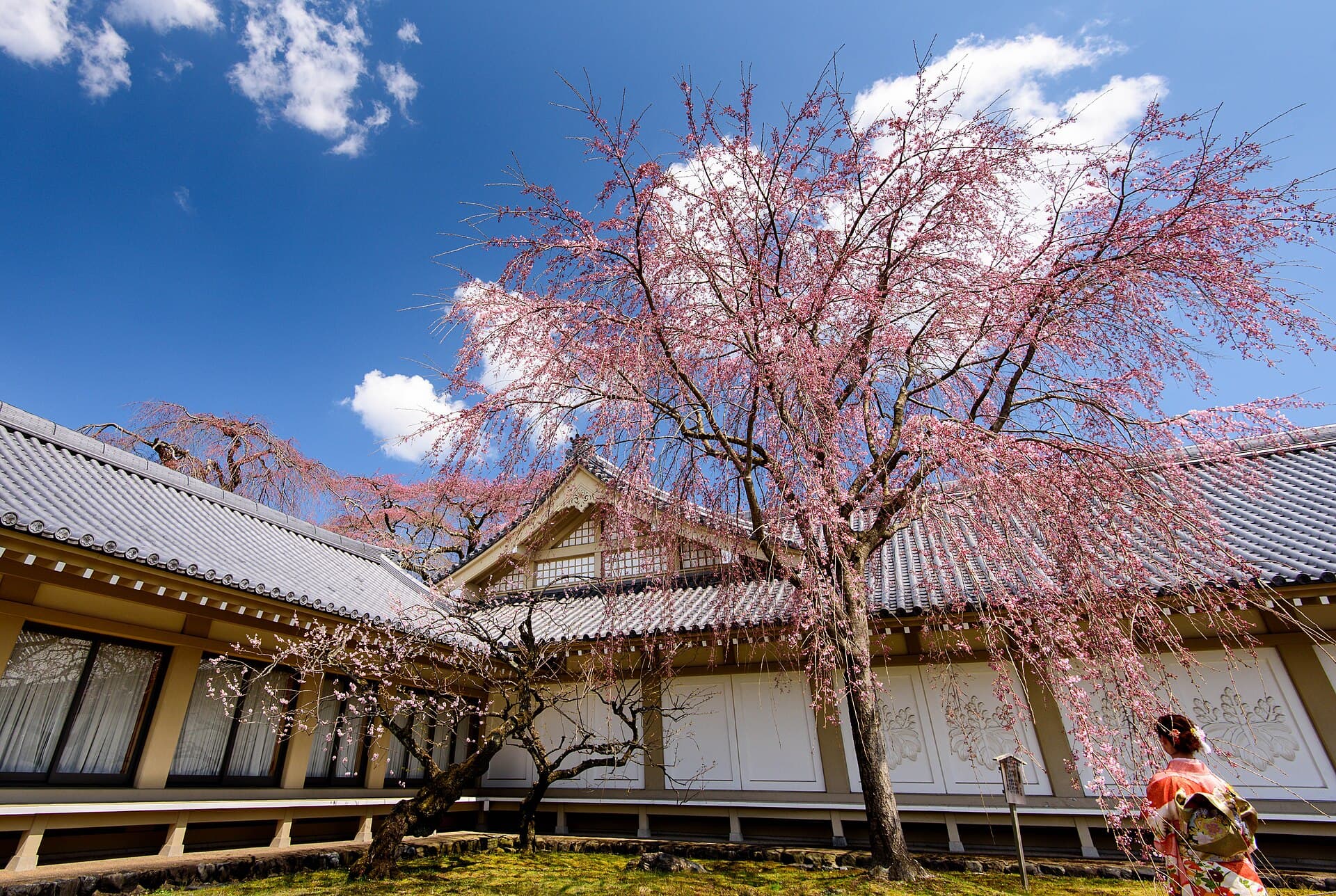
Shoshin means "beginner's mind", a Zen idea of approaching things with openness and curiosity, as a beginner would, without assuming you already know. It became widely known in the West through the teacher Shunryu Suzuki's book Zen Mind, Beginner's Mind.
It helps when fear of looking foolish keeps you from starting. Being a beginner is allowed. Ask questions, try the new thing and expect to be clumsy at first.
Try this today: pick something new that you have delayed and give it one honest, clumsy attempt.
7. Shinrin-yoku: spend slow time in nature

Shinrin-yoku means "forest bathing": slowly spending time among trees and taking in the atmosphere with all your senses. The term was introduced in Japan in 1982. Small studies report lower stress markers after time in forests, so it is promising, though not a cure.
No forest nearby? A quiet park, a garden or even a tree-lined street can help you reset when your mind feels heavy.
Try this today: take a 20-minute walk without your phone and notice the sounds, smells and colors.
8. Kakeibo: make a budget and stick to it
Kakeibo means "household account book". It was created in 1904 by Hani Motoko, one of Japan's first female journalists, and is a handwritten ledger where you record income and spending and reflect on it. It is built around four questions: how much do you have, how much do you want to save, how much are you spending, and how can you improve?
Money stress drains energy. A calm, written view of your finances often makes it easier to focus on your other goals.
Try this today: write down this week's spending and choose one small thing to change.
A 7-day starter plan
- Day 1, kaizen: do a 2-minute version of your most avoided task.
- Day 2, ikigai: write one thing that makes today worthwhile.
- Day 3, wabi-sabi: finish something at "good enough".
- Day 4, shinrin-yoku: take a 20-minute phone-free walk outdoors.
- Day 5, kakeibo: record this week's spending.
- Day 6, shoshin: try one new thing as a beginner.
- Day 7, hara hachi bu and ganbaru: eat mindfully, review your week and plan one small step for the next.
When it is more than laziness
If you feel flat, exhausted or unable to start for weeks, or you have lost interest in things you used to enjoy, it may be burnout, depression, anxiety, poor sleep or another health issue, not laziness. These techniques are supportive habits, not treatment. Please talk to a doctor or a mental health professional.
Frequently asked questions
What is the best Japanese technique for laziness?
Kaizen is the most practical place to start. Shrinking a task to a tiny first step removes the biggest barrier, which is getting going.
What does ikigai mean?
Ikigai means a reason for being, or what makes life worth living. It can be as small as a daily routine or hobby. The popular four-circle diagram is a Western adaptation rather than the original Japanese idea.
What is hara hachi bu?
Hara hachi bu is the Japanese habit of eating until you are about 80 percent full. It encourages slower, more mindful eating, although evidence for health benefits is limited.
Is shinrin-yoku backed by science?
Small studies suggest that time in forests can lower stress markers and improve mood, so the evidence is promising. It is a helpful habit, not a medical treatment.
What is kakeibo and how do I start?
Kakeibo is a Japanese household budgeting notebook created in 1904. Start by writing your income, how much you want to save, your spending and one improvement for next month.
Is laziness a sign of a problem?
Sometimes. Occasional low motivation is normal, but weeks of exhaustion, loss of interest or inability to start can point to burnout, depression or another health issue. Talk to a professional if that sounds familiar.
Final thoughts
You do not need to become a different person to beat laziness. Pick one of these eight ideas, shrink the first step, accept an imperfect start and be kind to yourself when you stall. Small, steady progress is what kaizen is all about.